 1. It was an effective campaign. People everywhere noticed the billboards, the ads, and seemed to be talking about the rapture/end of the world happening at 6 p.m. yesterday. And I don’t mean just the talkers on Facebook and Twitter, the ordinaries on the street, like you and me. This got itself an article on the editorial page of our city newspaper, for example, and a news report in… well, last time I checked, there were more than 4800 articles that appeared in various media. I wonder why this grabbed so much attention?
2. I have no sense of humor. Of course it was bizarre. Of course I knew it wouldn’t happen. (Didn’t we all, except those poor deluded people who did?) But I just couldn’t get into a ha-ha or mockery mode over this. I wasn’t surprised by the jokes from the secular folks, but I was surprised, I have to say, by all the jokes from Christians. I don’t know why I’m feeling just a little cranky about that, but I am. Maybe I just wish we’d laugh as hard over the false prophets behind the ads for cereal, cars, Tim Hortons, you name it, that promise transcendence, the good life, justice through consumption.
3. On May 22, the end is still near. At least for me. Memento mori. (Remember that you must die. Remember your mortality.) Lord, have mercy.
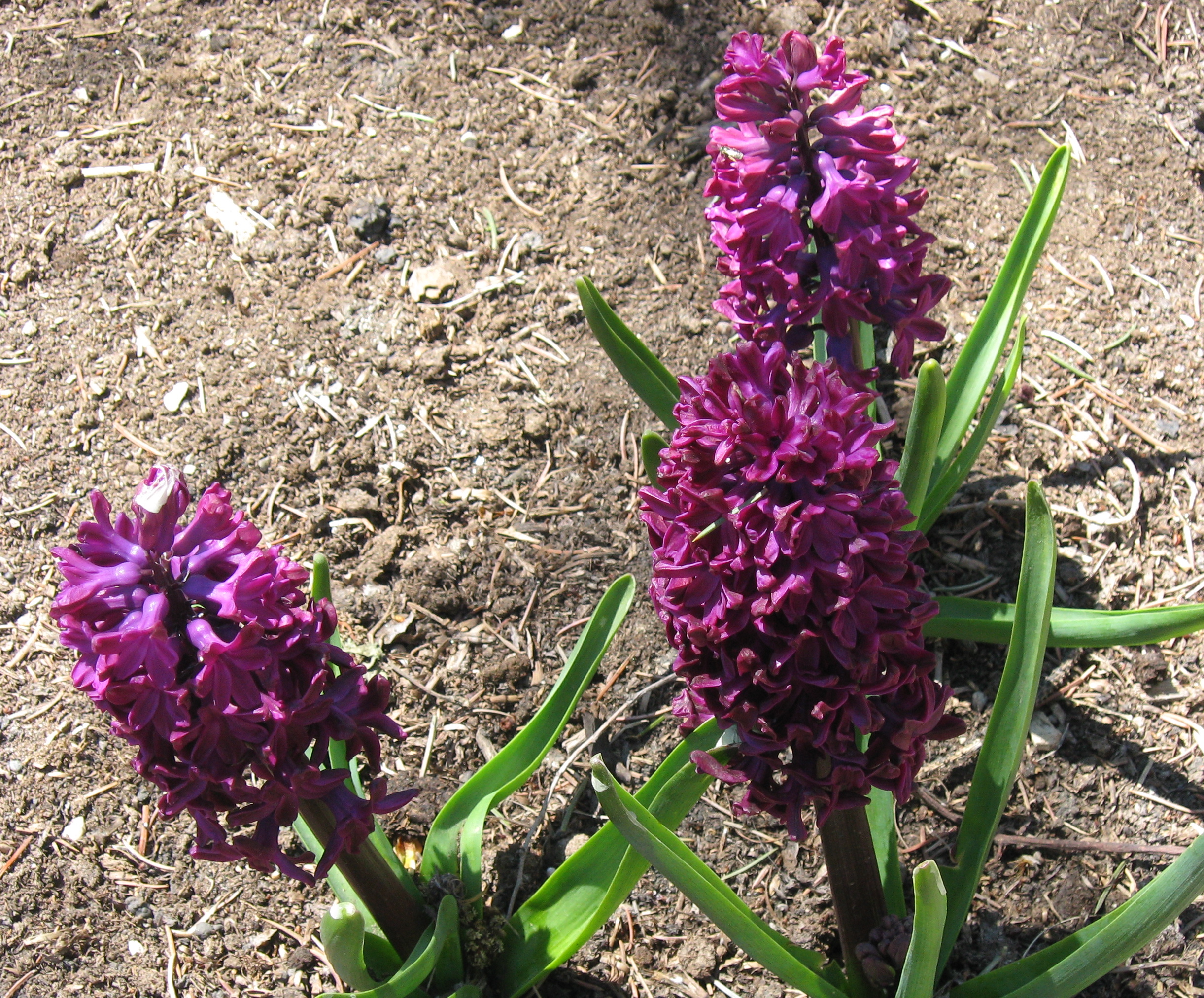
4. A poem by Czeslaw Milosz posted by Debra Dean Murphy at her Facebook page touched me the most in the days leading up to May 21. I don’t pretend to understand what the poet intends here — I find it provocative, really — but it has me reflecting on everything so new and green this Sunday after two days of rain, and the meaning of “End,” and how we might expect yet still overlook it. With thanks to DDM for the link, here’s “A Song on the End of the World” by Czeslaw Milosz, translated by Anthony Milosz. It was written in 1944, that is, in the context of the Second World War.
On the day the world ends
A bee circles a clover,
A fisherman mends a glimmering net.
Happy porpoises jump in the sea,
By the rainspout young sparrows are playing
And the snake is gold-skinned as it should always be.
On the day the world ends
Women walk through the fields under their umbrellas,
A drunkard grows sleepy at the edge of a lawn,
Vegetable peddlers shout in the street
And a yellow-sailed boat comes nearer the island,
The voice of a violin lasts in the air
And leads into a starry night.
And those who expected lightning and thunder
Are disappointed.
And those who expected signs and archangels’ trumps
Do not believe it is happening now.
As long as the sun and the moon are above,
As long as the bumblebee visits a rose,
As long as rosy infants are born
No one believes it is happening now.
Only a white-haired old man, who would be a prophet
Yet is not a prophet, for he’s much too busy,
Repeats while he binds his tomatoes:
No other end of the world will there be,
No other end of the world will there be.

 Borrowing Bones