Worscht en Rhubuaba

Worscht en Rhubuaba. I can’t actually say it, not correctly at least, not having grown up with Low German (though I learned to understand it as a adult living in Paraguay for a couple of years), but I spent Saturday and part of Sunday last week at an arts festival by that name. Meaning sausage and rhubarb. It was a Manitoba Mennonite Creative Arts Festival so the reference was perfectly appropriate, if somewhat nostalgic, given that nowadays Mennonite writing (“if there is such a thing” — a question one of the Round Tables asked) is so large, so diverse, so out of the village. But never mind that, it was a great event, put together by the energetic and talented Di Brandt and others from Brandon University (Dale Lakevold, Audrey Thiessen). Continue reading

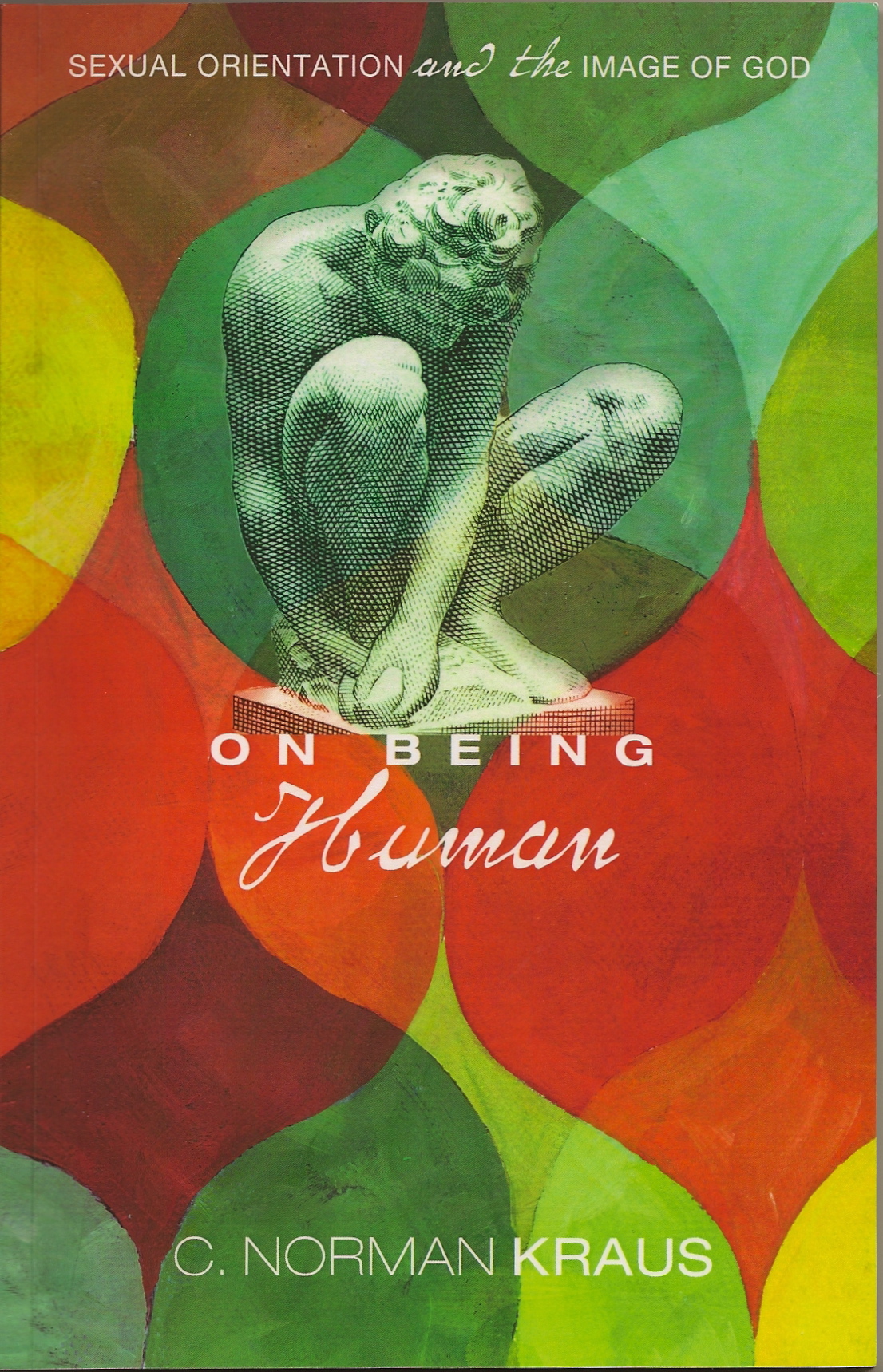
Inclusion as shalom: a review of C. Norman Kraus’ “On Being Human”

The church’s very authenticity as the body of Christ is at stake in its response to its LGBT members, writes C. Norman Kraus in On Being Human: Sexual Orientation and the Image of God (Cascade Books, 2011).

In this attractive addition to a growing library of discussion about homosexuality underway within some branches of the Mennonites church, Kraus, who is professor emeritus of Goshen College, argues for inclusion in the church for those of all sexual orientations, with the same moral guidelines (mutual affirmation, respect, and affection) for the sexual fulfillment of all. He considers the matter through the lens of the “image of God,” as seen in the Creation accounts and throughout Scripture. Continue reading

Blessed are the merciful

I belong to a Mennonite-Catholic dialogue group which meets several times a year. Our assignment for this week’s meeting was a personal reflection on the Beatitudes, broadly, and then more specifically, in choosing one beatitude we were particularly “attracted” to at this point — in not more than seven minutes each! The contributions were varied, and all interesting. This was mine:

I memorized many parts of the Sermon on the Mount as a child, to get a reduction on Bible camp fees. So it seems the Beatitudes have been with me forever, like old markers, like a fence around my life. They’ve been markers for my (Mennonite) understanding of discipleship.

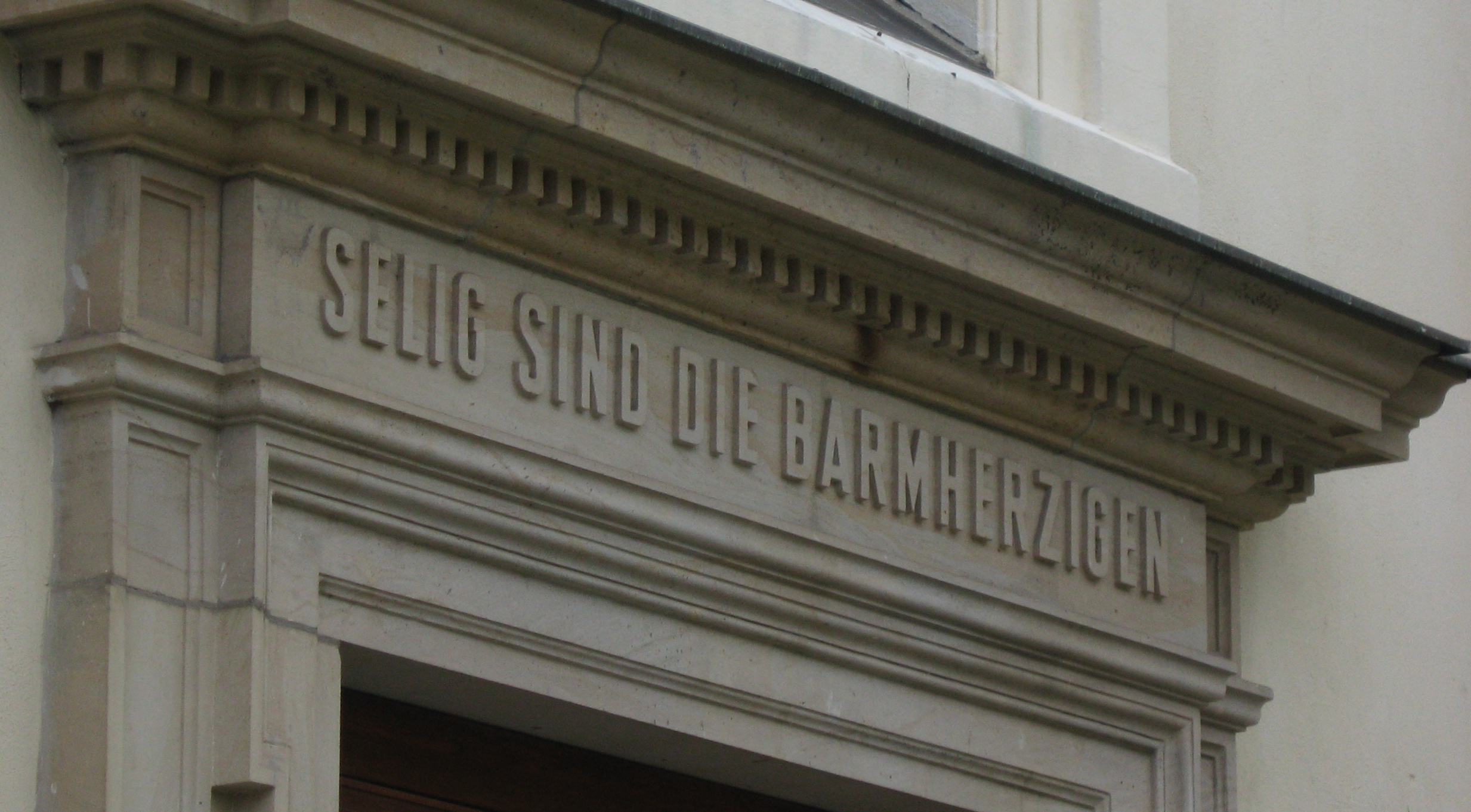
“Selig sind die Barmherzigen” (Blessed are the merciful), inscription over doorway in Berlin

In this reflection, however, I was struck by something else. The opening beatitudes [blessed are the poor, mourning, meek, hungry], at least, seem an expression of holes in the soul. I see need, grief, poverty of whatever kind, hunger. Yes, there’s a happiness expressed, but next to gaping wounds. Continue reading