
Link notes: Bolivia, bread, a beach story, and more

BOLIVIA  Those of you following the Bolivia Mennonites rape scandal and subsequent trial and judgment will want to read Mennonite Weekly Review associate editor Tim Huber’s editorial about it. At Sightings, Adam Darlage reflects on the “shocking” story in terms of how the “pacifist Anabaptist tradition” has shifted in the American imagination, from “deeply distrusting Old Order Anabaptism to romanticizing it.” He argues that a “doomsday narrative” that posits Old Order Anabaptist groups as symbols of virtue where vice should not reach is “a poor approach to these tragedies [the Nickel Mines tragedy and the sex scandal in Bolivia]” and concludes:

The Old Orders within the historic Peace Church tradition deserve more than facile narratives of nostalgia and woe when terrible events like these happen…. Instead, these groups merit deeply contextual understandings of their particular problems and concerns by people who would approach them for what they are: lived religious communities of human beings with their own sets of rituals, values, symbols and, to be sure, their own very human problems as well. Continue reading
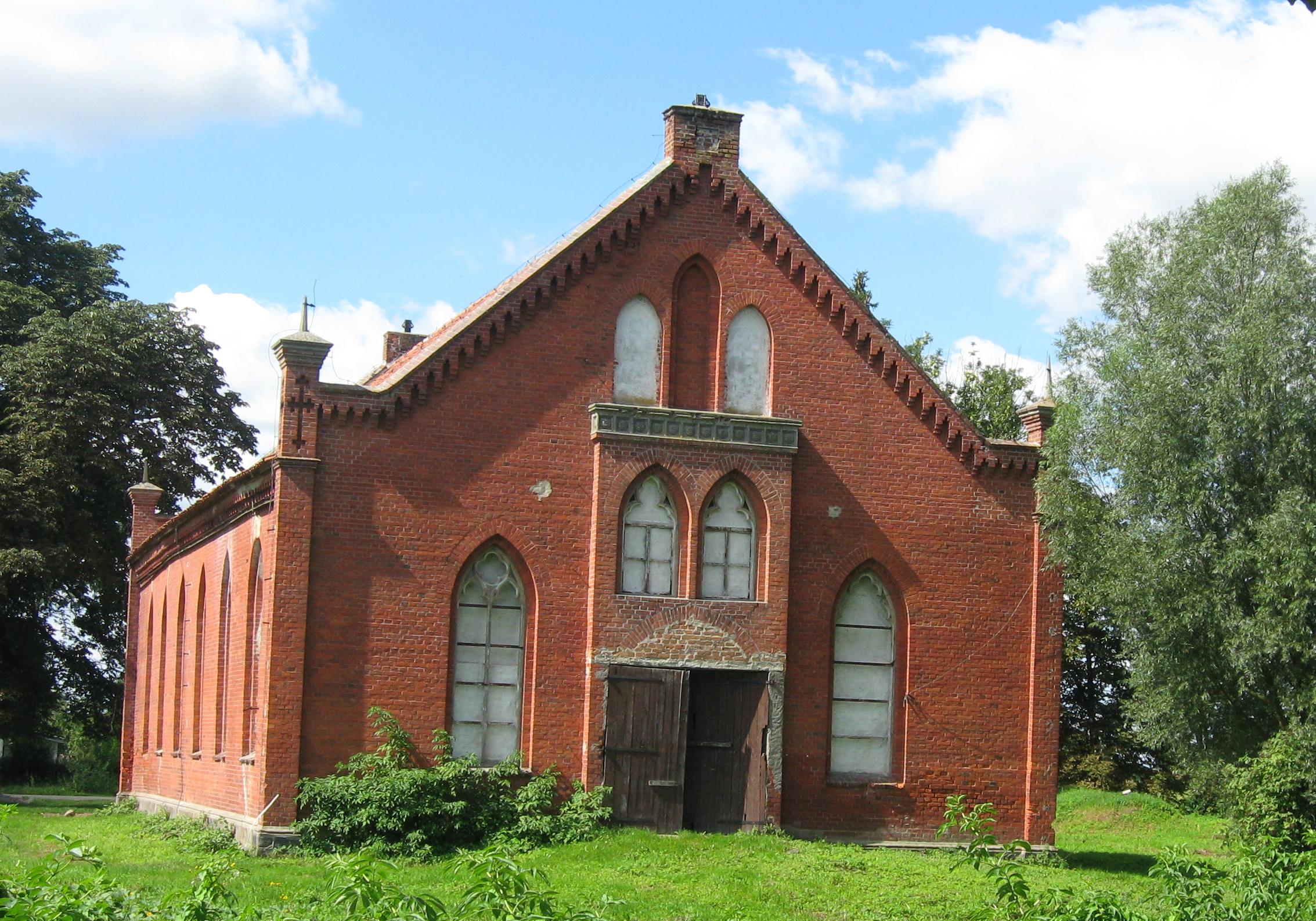
Finding our names

The former Mennonite church at Thiensdorf (Jezioro), now used for storage.

Mennonite Heritage Tour: encounters with women (part 7 of 8).

As my reflections on our Mennonite Heritage Tour wind their way into Poland and soon to an end, I have to confess in advance that this post is a bit of a stretch as far as the “encounters with women” theme is concerned. Poland — or “Prussia” as we also think of it in Mennonite history – made its connections to me through place(s) rather than people. Continue reading

“Owning” Muenster

Mennonite Heritage Tour: encounters with women (part 5 of 8). Introduction. Part 1. Part 2. Part 3. Part 4.

At dinner on the evening before our Mennonite Heritage Tour’s visit to Muenster, one of the people in our group remarked that we needed to “own” Muenster even as we “own” Auschwitz (where we would stop later).

By Auschwitz, of course, he meant the Holocaust, and by Muenster, he meant the historical events of 1534-35 in that city – the “rebellion” of radical Anabaptists in which they tried to establish the “New Jerusalem” there, complete with a king (Jan van Leiden), polygamy, extreme violence, a long siege, eventual victory by a Bishop’s army on the outside, and the killing of hundreds, with the leaders’ bodies displayed as a warning in three cages that still hang on the city’s Lamberti Church. Continue reading