
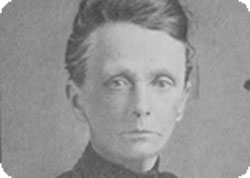
A pioneering eccentric

Sien van Hulst (internet image)

Mennonite Heritage Tour: encounters with women, Part 3 (of 8). Introduction, Part 2.

Sien van Hulst (1868-1930) was a single woman, daughter of a prosperous Mennonite family in Harlingen, NL, who made a positive difference in the maternal death rates of her time.

We hear about Sien from Jan Meester. Jan is a Harlingen Mennonite who brims with knowledge and enthusiasm. He takes us on a brisk walking tour of relevant sites in his town. (The day before, he showed us the Pingjum Mennonite Church, where Menno Simons lived and worked, as well as the local, formerly Catholic church where Simons learned as a priest.)
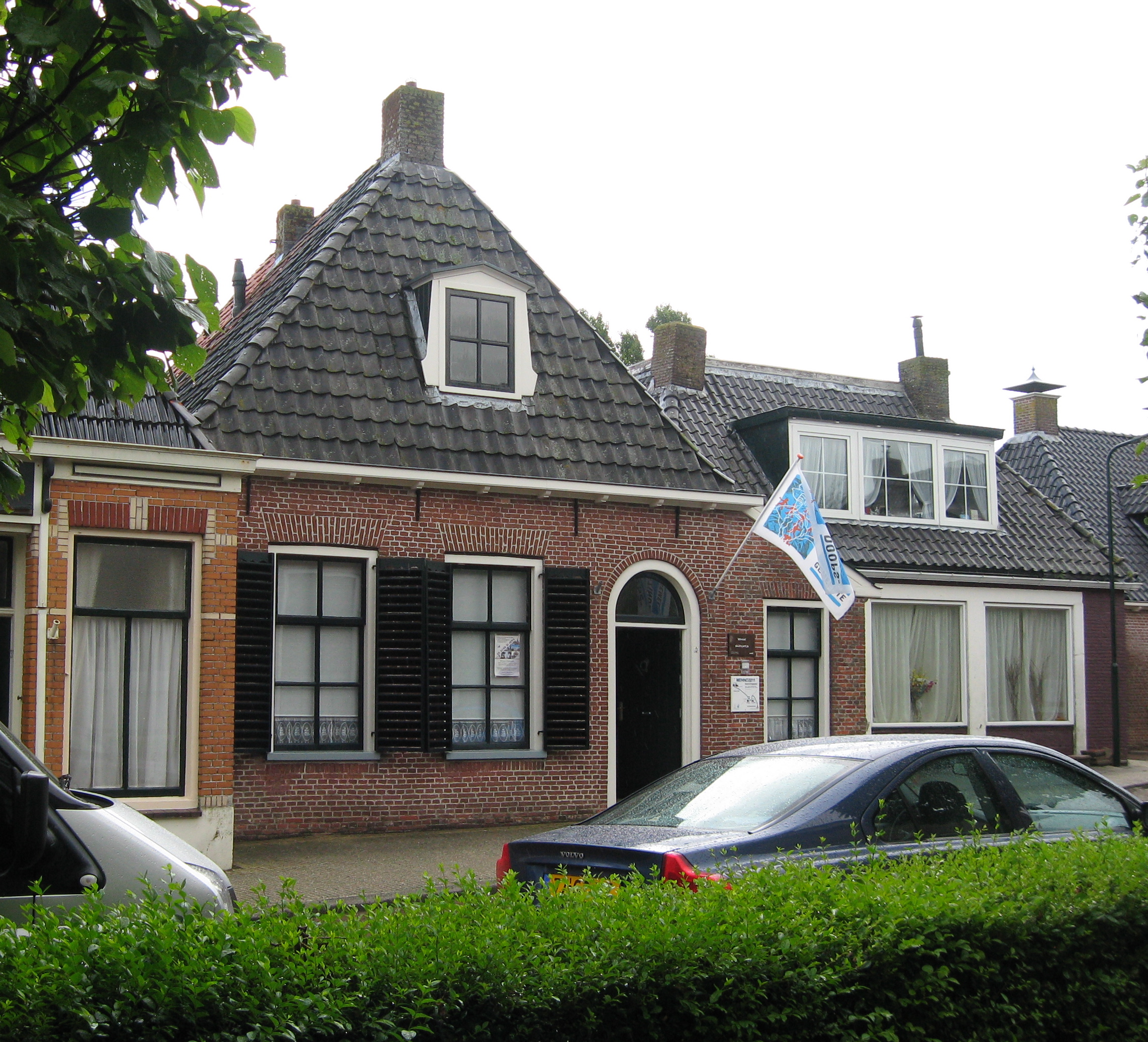
The "hidden" Mennonite church of Pingjum, NL.

There are two strands of Dutch Mennonite (Doopsgezinde) history that keep bumping against each other for me during these days. One is the great persecution the Anabaptists experienced. We’re reminded of the outcome of that, as many fled to other parts of Europe (such as Poland/Prussia, which we will visit the following week); the Witmarsum church, in fact, currently has an exhibition on the Mennonite diaspora. We notice the secrecy it necessitated. Meeting places (called vermaning or Admonitions) often resemble houses or were hidden in other ways to escape detection.

The other strand is how those who remained in Holland eventually became accepted, respectable, and many of them wealthy and influential. Crossing the Afsluitdijk that connects north Holland and Friesland, for example, we see a statue of Cornelis Lely, engineer and designer of the plans for the Zuiderzee works. A Mennonite. There were the Honigs and the Breets. And the Harlingen van Hulsts and their daughter Sien.
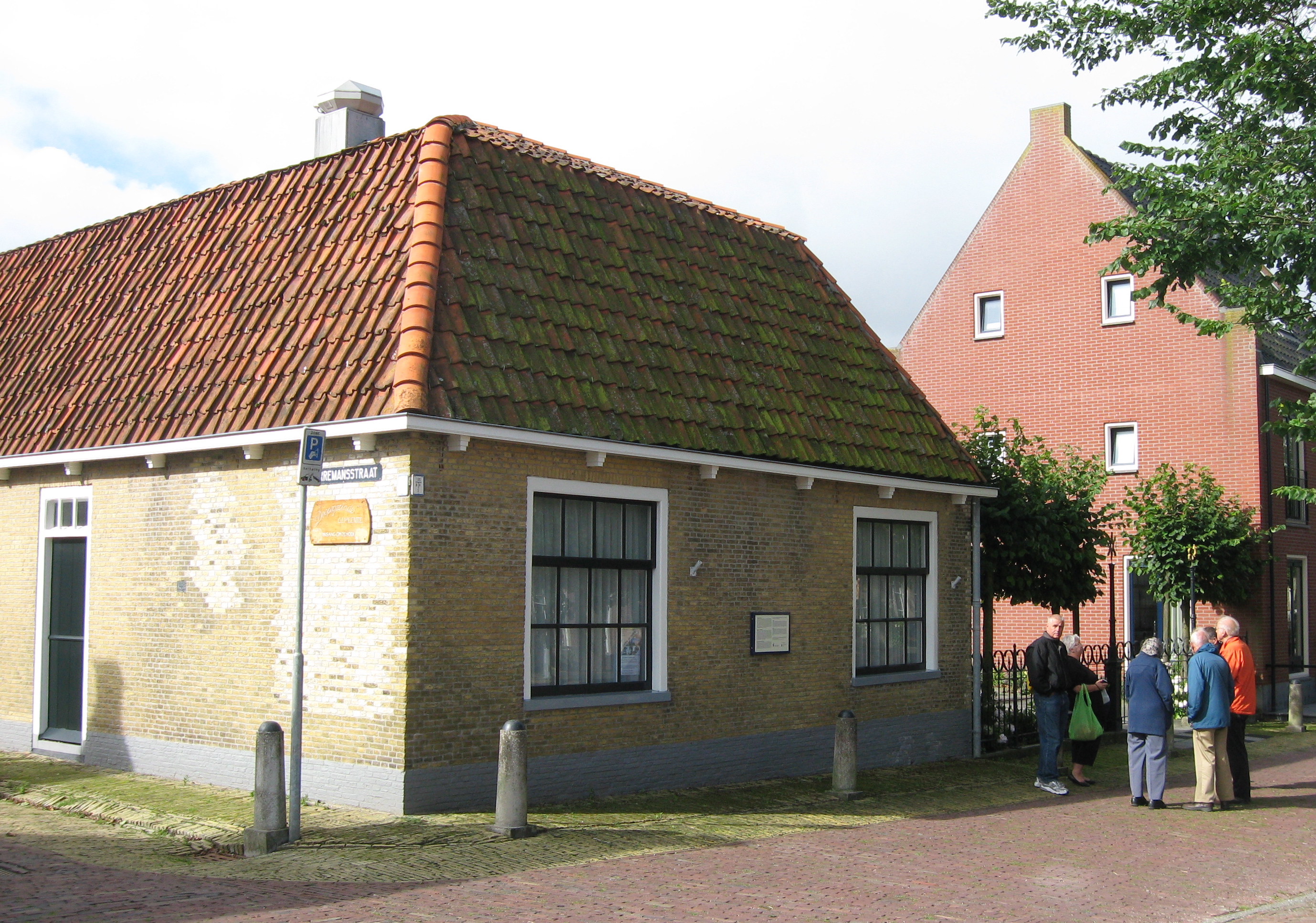
The Harlingen Mennonite Church

Back home, I google Sien van Hulst to learn more about her. Most of it’s in Dutch, but the translations tell me she was a “contrary woman” with “a great sense of social justice.” Another sentence speaks of her “eccentric personality.” Maybe so, but she was a pioneer. A change agent. She founded a Society for District Nursing and Health Care in 1896, expanded the work of Green Cross across her region when it was founded in 1902, gave courses in maternal care and hygiene, paid attention to the importance of breastfeeding, and trained midwives and home nurses. She became a threat to the medical establishment of the time with her ideas, but perhaps it was her “eccentricity” that kept her going in her radical commitment to the poor. I want to think that it was also something in her Mennonite origins and beliefs.

Statue of Cornelis Lely, poised against the sea that his "works" hold back.

(P.S. This post is especially for my engineer son and doula/maternal-care expert daughter-in-law!)
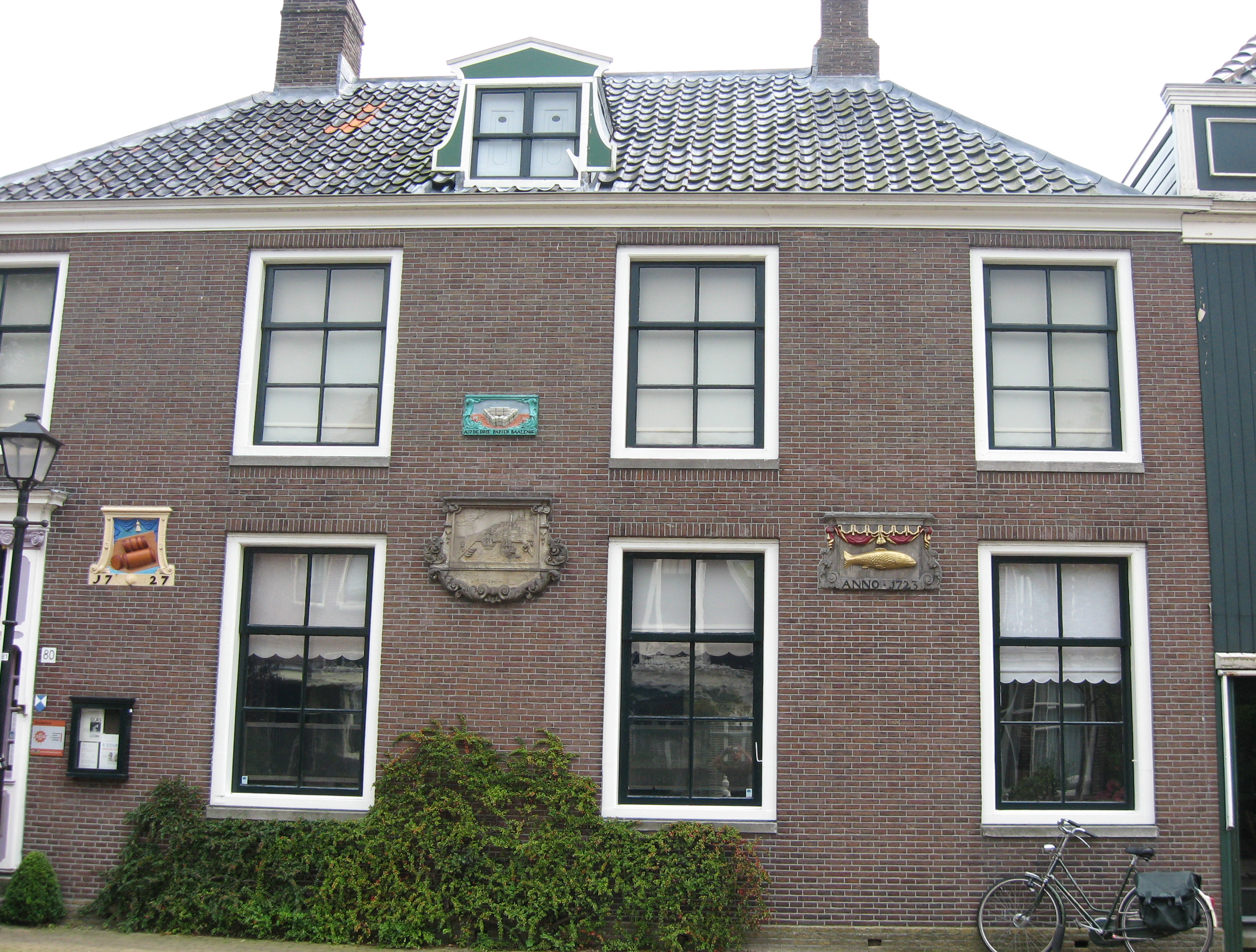
Death by laundry

Mennonite Heritage Tour: encounters with women, Part 2 (of 8). Introduction.

The Honig Breethuis, Zaandijk, NL.

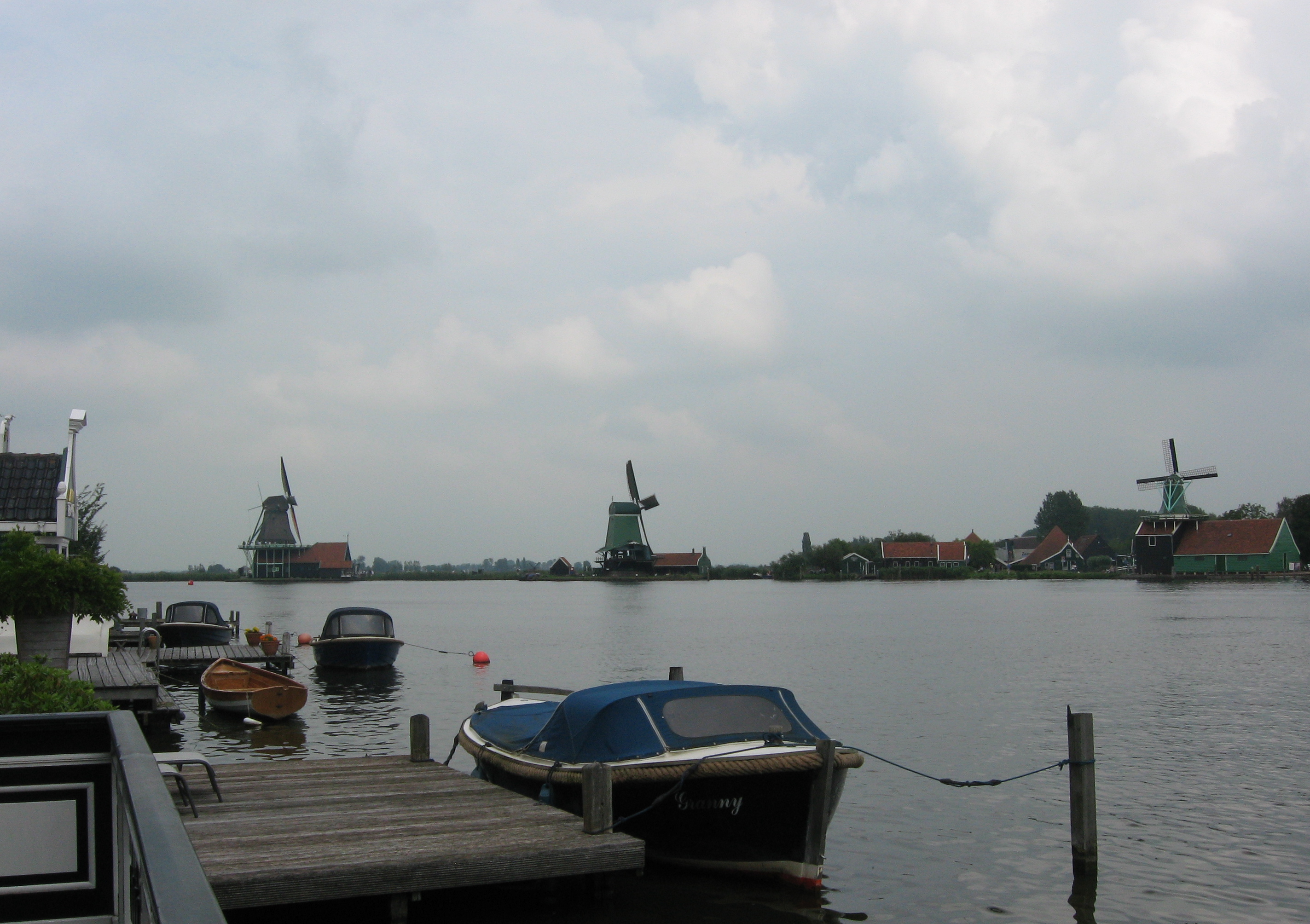
The tour begins while we’re still bleary from the flight to Amsterdam, at the Honig Breethuis (house/museum) in Zaandijk, on the river Zaan and across from the Zaanse Schans where “old” Holland lines up in a series of picturesque windmills and where we’ll go next. I hasten to add that windmills are decidedly part of a Mennonite Heritage Tour, early Mennonites being good drainers of water and makers of dikes! As for a personal connection, my married name Dueck (with its variations Dyck, Dyk, Dick) probably comes from the Flemish word dike or pond and its first bearers likely lived by the sea.

The Honig Breethuis was home to several generations of a wealthy merchant family that happened to be Mennonite. (Our guide, Ayold Fanoy, tells us this; as far as I know the museum doesn’t mention it.) Cornelis Honig owned a paper mill and Jacob Breet, the fourth owner of the house, expanded the business by acquiring other paper mills. Built in 1710, the house is now exhibited as it looked in the mid-nineteenth century. There’s the fine accoutrements of the upper classes. They also lived with steep stairs and the fear of fire.

And water. Contained, but everywhere — water. This is the Netherlands, so I shouldn’t be surprised that Neptune, the god of water and sea, appears as a decorative figure. (Though I am; I’d assumed the Mennonites left Greek and Roman mythology behind.) Then when we view a row of portraits on the wall, I’m startled to hear that one of the daughters – was her name Grietje? and was she 21, or 22? – drowned while washing clothes in the river.

View from the Honig Breethuis, across the Zaan River to the Zaanse Schans.

Death by laundry: if it wasn’t so tragic, it would seem comical. It’s the weight of her own clothes that sinks her. The long skirts, the layers. Carolyn Heilbrun again, reminding in her chapter (in The Last Gift of Time) “On not wearing dresses,” that the purposes of nineteenth century women’s clothing were “to attract attention and impede movement.”

The few sentences I hear about the young woman’s death are a fragment of story that persists in my imagination. In the meanwhile, I find myself oh-so-very thankful for the allowable, generally comfortable, and easy clothing for women today! On this European tour, it’s jeans and shirts. No hat boxes, no trunks to be dragged along with crinolines, stays, ruffles, or satin.

Bolivian Mennonite women were not believed

Jean Friedman-Rudovsky’s piece on the Bolivian Mennonite rape trial was the most read and most emailed article on the site for two days after it was published, and the most emailed article again yesterday. Because of its popularity, it will appear in hardcopy in the upcoming TIME Magazine international edition. Clearly, it’s touched a nerve.

Another article by Friedman-Rudovsky on the same events recently appeared in The Christian Science Monitor: In Bolivia, rape trial pries open closed society of Mennonite ‘Old Colonies’. It’s troubling to read that it took so long for the women to be believed, and that their need to talk about what happened and receive counsel is still not being recognized the way it should be! It’s also troubling to hear, from other sources, that incidents similar to those alleged in the case are apparently still happening.

The story is by its very nature somewhat sensational, but I suspect that much of the interest in it, especially for the Mennonite community, is the ongoing and complex tragedy of what has happened to these women and girls. So I think we should view this extensive publicity as a good thing. Some Mennonites who comment on the articles worry that others will think all Mennonites are like that, etc. An understandable concern, I suppose, but really, we’ll simply have to live with that and ought to be turning our hearts and minds instead to how we might respond.

So what can we do? I’d suggest that we exert as much pressure as possible on our two broad Mennonite agencies — Mennonite Central Committee and Mennonite World Conference — to make this need a priority. MCC already has a number of programs that connect to Bolivian Mennonites (Old Colony Mennonites in other countries as well), which we might support with increased giving and prayer.

But I think more could be done. After all, this story didn’t just break open in the last weeks because of Jean Friedman-Rudovsky’s fine work, but came to the attention of both the world and Mennonites some years ago. Sometimes it feels as if those who are speaking out on its behalf are also still not being believed!

It makes sense to me that MCC might be the umbrella under which to gather a wide array of resource people with interest and knowledge and ongoing connection — their own staff, for example, those from ministries like the Low German work of Family Life Network, Mennonites in neighboring Paraguay, anyone with an ability to relate to conservative and closed communities — and to sit down and do some solid further strategizing for this situation. Perhaps I’m being naive, but I think the wider Mennonite community — and the watching world — needs to be assured that this cry of women and girls in Bolivia, and their entire community, is being treated with the utmost urgency and seriousness. It needs to know that new programs and money will be initiated if there is any possibility at all of them being received. I’m wishing to hear someone say, “We’ll be the point people on this issue, talking to them and talking to you, our Mennonites constituency. And this is what we’re doing…”