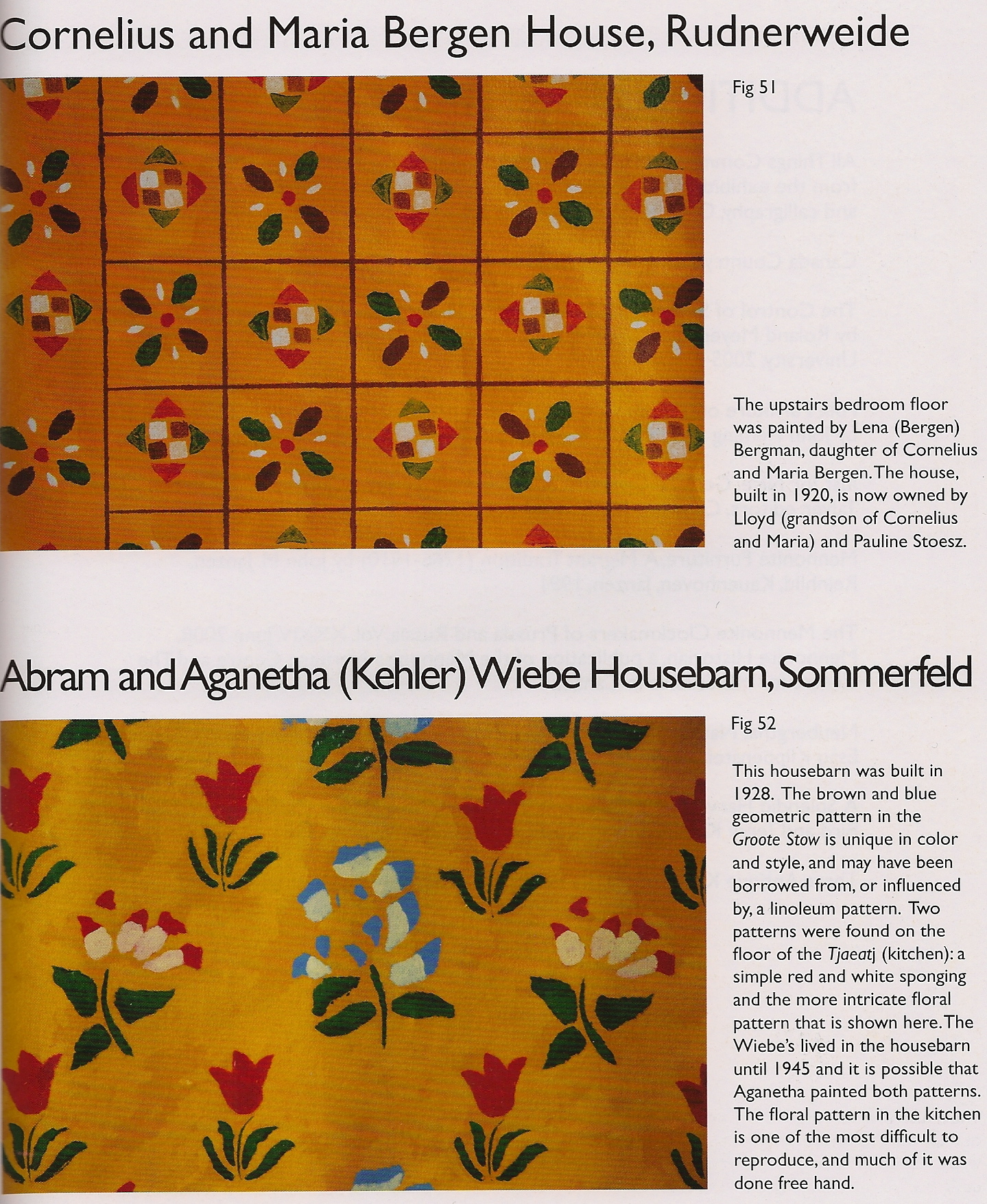
City of Tranquil Light

I recently read City of Tranquil Light by Bo Caldwell (Henry Holt and Co.). In this novel, the elderly widower Will Kiehn is looking back over his life. As a young man, he felt called to go to China as a missionary. There, he met and married fellow recruit Katherine Friesen. Will preached, Katherine did medical work, and together they experienced the formation of a sizeable Christian church in Kuang P’ing Ch’eng (meaning, City of Tranquil Light) and its outlying regions. They also experienced personal struggles and the trials of their adopted country: famine in 1918-22, civil war in 1925-28, the disintegration of an ancient civilization under imperial rule and China’s massive shift to communism.
Interspersed with Will’s backward look is Katherine’s voice, via her diary entries. The use of alternating voices – one with its perspective in the moment, the other through the gaze of memory – makes the story a kind of conversation as well as a telling. It’s a format that adds momentum to a story that feels — in spite of dramatic elements — quiet, gentle, and measured. (As one might expect from an older person’s recollections). It also deepens the thematic resonance of the book.

I liked City of Tranquil Light a lot. And what I like about talking about it here at my blog is that, unlike a more formal review, say for a newspaper or magazine, I can meander – or jump around – as I will. That at least, is how I understand the conventions of blogging. They allow a more personal, if partial, response – one that may, in effect, privilege the experience of reading over the book itself. (This doesn’t mean professionalism, fairness, and reviewing courtesies don’t apply.)

With that said, let me step back a little into my own context. City of Tranquil Light is a missionary story, and I grew up with missionary stories – in books and Sunday school papers and magazines, from the pulpit, in conversations all around me. They were stories of sacrifice, difficulty, and gut-wrenching inspiration. Missionaries were the heroes of an evangelical Protestant childhood; they were the Supermen and Superwomen of our world, and their ocean-crossing the equivalent of the costume change in the telephone booth. I don’t mean this cynically; it’s how things appeared to us. Continue reading


A hunger for beauty

Manitoba autumn

Manitoba is not the Autumn Glory centre of the world, I’ll grant you that. It has to do with our particular climate, the kinds of trees that grow here, and so on. The “East” is definitely the place to be for spectacular oranges and reds in fall.

Still… we do have autumn and we do have much to enjoy and celebrate, and this year the season has been especially warm and lovely. Last Tuesday, since he had a day free between projects, and since I wanted to do some research/observation for the writing I’m working on, H. and I set off for a drive into the country, down to the Pembina Hills area, as far south and west as Manitou. The colours in the trees and also ditches were a treat for our eyes and spirits.

Even the ditches put on a show!

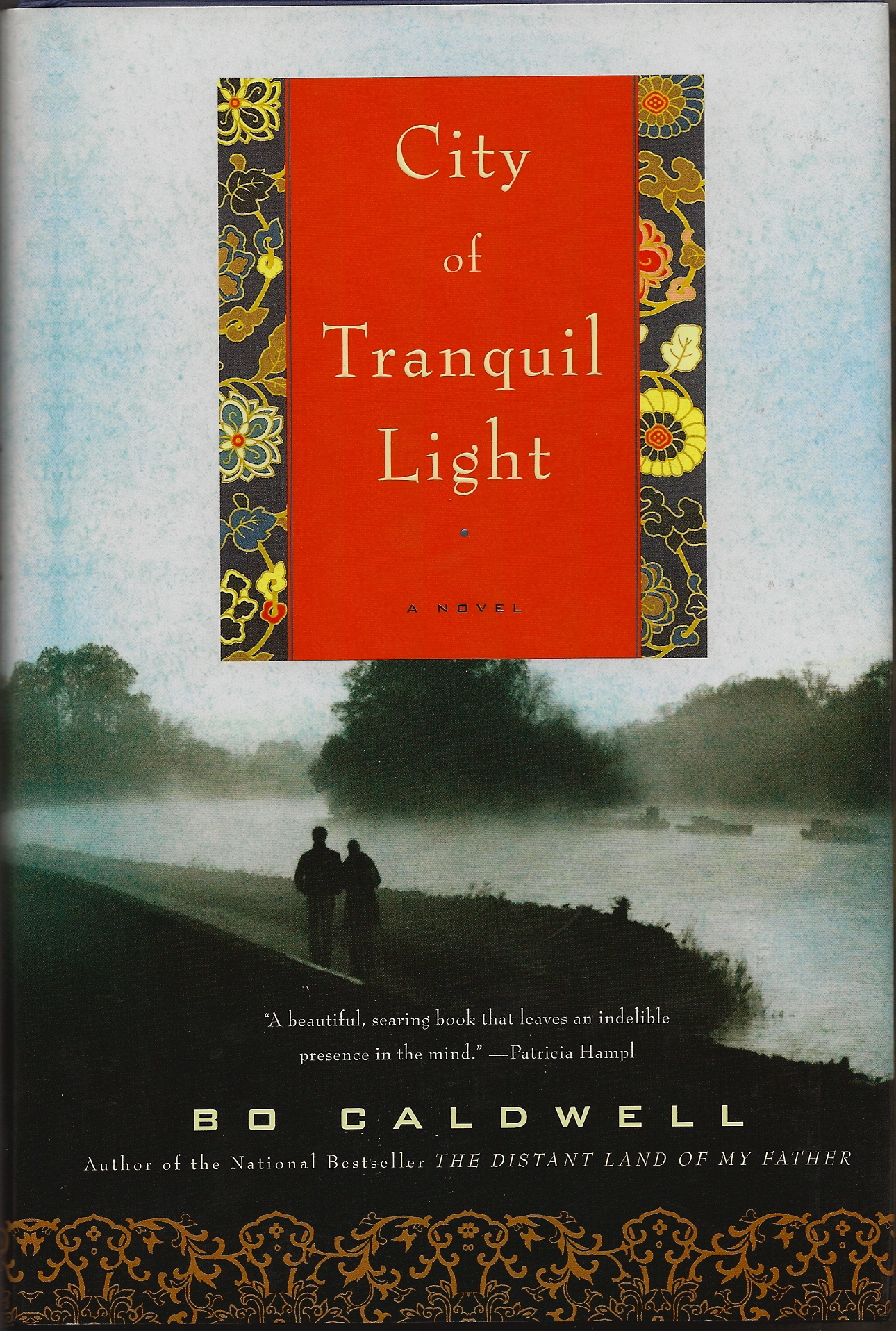
After lunch at the Kopper Kettle in Morden, a favourite local eatery it seems, we continued to Neubergthal, a village that is also a Canada heritage site because of the number of Mennonite house-barn structures it still contains. Here we viewed Himmelbleiw, an exhibition of Manitoba Mennonite heritage furniture and floor patterns. (Himmelbleiw is Low German for “heavenly blue, a colour used to paint walls and decorate furniture that expresses joy and hope.” – Catalogue)

We enjoyed seeing the cupboards, tables, cradles, clocks, toys, and floor patterns on display in the Friesen Housebarn Interpretative Centre. Nearly every item would have been useful in some way, but aesthetic appeal and satisfaction — through skill of construction, decorative detail, or colour — was added to functionality  as well. I was especially taken by the floor patterns. From the late 1800s to the mid 1900s many Mennonite women painted the floors of their homes. (Note the samples in the catalogue page below.)

The Mennonites lived simply. Ostentation was not a community value. Nevertheless, they took opportunities to express artistry within the parameters of their lives.

It all made me think of Steve Bell’s yearning rendition of the Jim Croegaert song, “Why do we hunger for beauty?” It’s a rhetorical question. We love to look at “the leaves,” here today and gone tomorrow, and we paint chairs and floors, which will be worn by sitting and walking. We do hunger for beauty, so we seek it and create it.

A wake-up call

There’s a video clip going around my friendship corner of Facebook, of Ellen DeGeneres responding — movingly, pleadingly —  to the senseless death of Tyler Clementi, the Rutgers student who committed suicide after being “outed” as gay. Please watch it at the link above, if you haven’t already. (Sorry, I haven’t quite figured out how to add video to my blog.)

There’s nothing I could possibly add but Amen.

And yes, I know, I know…. many church groups, including my own, are still figuring out their “positions” on homosexuality. It could be argued that the debate itself contributes to an oppressive dynamic, but can we at least agree that whatever time that conversation takes gives us absolutely no excuse to put off a major overhaul of behaviour, or the urgency of teaching our children firm and unequivocal protocols of behaviour about difference? Being gay is not a crime — or a sin. Harassing, outing someone without their permission, bullying, is never — never! — okay. Figuring out who you are, as DeGeneres says, is hard enough (remember being a teen?) without the added cruelty of bullying — for any reason. And gay youth who wish to live with integrity, with authenticity, will eventually come to their own conclusions about how they do this. But it’s their timeline, no one else’s.

There are many other names and faces, other stories, that could be highlighted in reference to this “suicide epidemic,” people who attempt to escape for various reasons, but most certainly often because of the harassment.

William C. Trench has some pertinent words:

For years, those who oppose equal rights for gays and lesbians have said that they have nothing against the Tyler Clementi’s of the world, what they are against is “The Homosexual Agenda.” This tragic event brings that debate into sharp relief.

The “Homosexual Agenda” is precisely this: to create a society in which young men and women do not jump off of bridges in a desperate attempt to escape who they are, because society has told them in a thousand different ways that who they are is not acceptable.

We who are Christians must bear a special responsibility in this effort.

I hope you’ll also take the time to read Trench’s whole post here. I don’t have much more than Amen to add to it either. Except to wonder, in light of DeGeneres’ wake-up call, and Trench’s call for angels, whether we’re awake, and alert to our assignments.