Finding our names

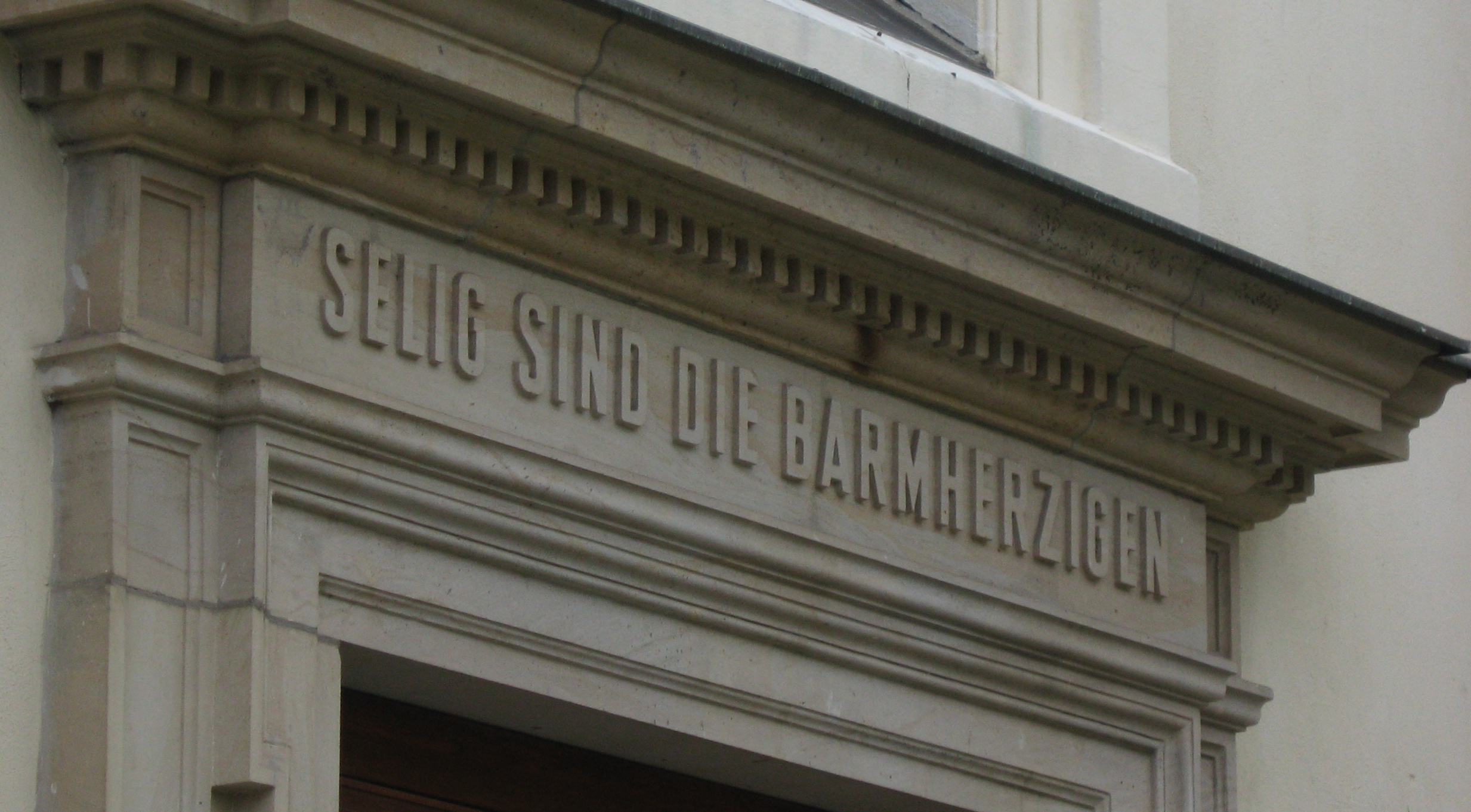
The former Mennonite church at Thiensdorf (Jezioro), now used for storage.

Mennonite Heritage Tour: encounters with women (part 7 of 8).

As my reflections on our Mennonite Heritage Tour wind their way into Poland and soon to an end, I have to confess in advance that this post is a bit of a stretch as far as the “encounters with women” theme is concerned. Poland — or “Prussia” as we also think of it in Mennonite history – made its connections to me through place(s) rather than people. Continue reading

Who was Anneliese Walter?

Mennonite Heritage Tour: encounters with women (part 5 of 8). Introduction.

Berlin was one of my favourite stops. We did a hop-on-and-off-the-bus city tour and the weather was perfect, sunny and pleasant but not hot, and maybe it’s the sense of accomplishment you get riding the top of one of those double-decker tourist buses, as if you’ve actually grasped the important places, all those sights you’re rolling by. An illusion of course, but a very pleasant one while it’s happening.

Brandenburg Gate

We also roamed on foot around the Brandenburg Gate and Checkpoint Charlie, went into the startling valleys and alleys of the Holocaust Memorial, and had an interesting visit to the roof terrace of the Reichstag Building, with its panoramic views. Berlin seemed to me all energy and confidence. So much of it looked smart and new. Continue reading

“Owning” Muenster

Mennonite Heritage Tour: encounters with women (part 5 of 8). Introduction. Part 1. Part 2. Part 3. Part 4.

At dinner on the evening before our Mennonite Heritage Tour’s visit to Muenster, one of the people in our group remarked that we needed to “own” Muenster even as we “own” Auschwitz (where we would stop later).

By Auschwitz, of course, he meant the Holocaust, and by Muenster, he meant the historical events of 1534-35 in that city – the “rebellion” of radical Anabaptists in which they tried to establish the “New Jerusalem” there, complete with a king (Jan van Leiden), polygamy, extreme violence, a long siege, eventual victory by a Bishop’s army on the outside, and the killing of hundreds, with the leaders’ bodies displayed as a warning in three cages that still hang on the city’s Lamberti Church. Continue reading