
Among the books I’ve read so far this summer, here are a few novels I especially enjoyed.
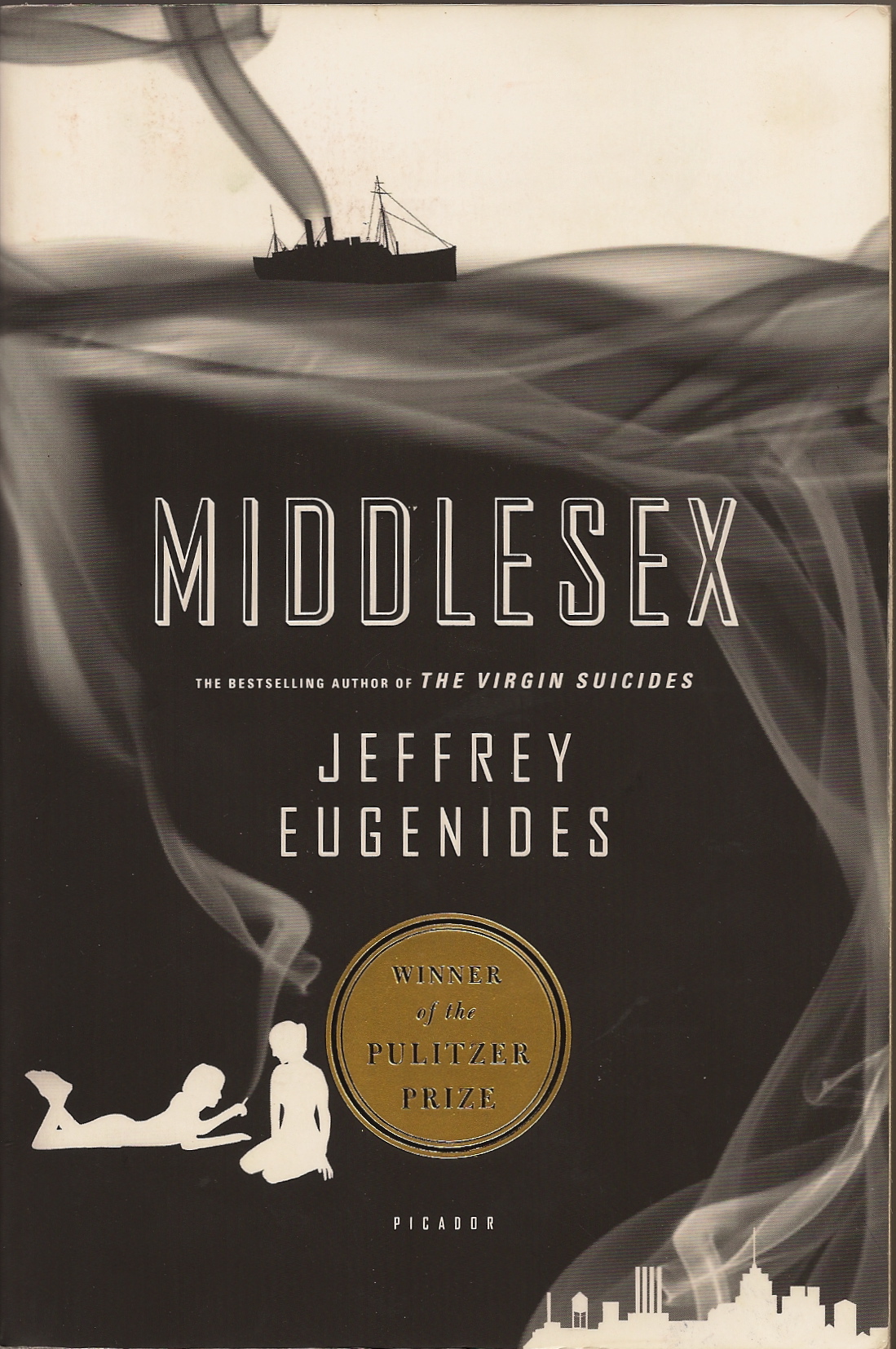 Middlesex by Jeffrey Eugenides (2002). This Pulitzer prize winner is a big tale of Greeks in America, with a hermaphrodite man at the centre. Indeed, Cal (formerly Callie) is the narrator; an unusual choice as he knows a great deal he couldn’t actually know. Somehow, though, it works. The story inhabits history in an interesting way. It also takes one to uncomfortable places; there’s anguish and vulnerability here.
 Irma Voth by Miriam Toews (2011). Irma, the narrator in Toews’ new book, reminds me of Nomi in her A Complicated Kindness, another determined young woman facing losses, and left mostly to her own devices as far as surviving them goes. The world isn’t easy in a conservative Mennonite family in Mexico, especially when you’ve been harmed, and when you’re complicit in harming others. Irma’s voice is smart and seemingly fearless, but there’s an ache in her to forgive and be forgiven. The book is sometimes amusing, often moving. Some of the “Mennonite” parts seemed not quite credible — perhaps being a Mennonite reader is a disadvantage here? Noted American writer Annie Proulx gave it a good review, though be warned if you’ve not yet read the book but want to: Proulx gives a lot of the story away. (Why do reviewers do that?)
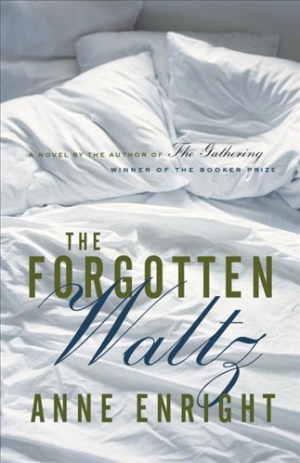 The Forgotten Waltz by Anne Enright (2011). This is a story about adultery: how it begins and how it continues. “Not that there is anything to forgive,” states the narrator early on, but this doesn’t seem entirely true, for it’s a story weighed with guilt, envy, and grief. A cautionary tale, then. I like Enright’s style, the small pallet of her story, her astute psychological observations.
 Nemesis by Philip Roth (2010). This is a relatively short book, wonderfully, seamlessly written, about a young teacher, Eugene “Bucky” Cantor, during a summer of the polio epidemic. Mr. Cantor has a keen sense of responsibility, but tragedy ensues. The way he responds is contrasted with that of the narrator, who suffers as well, and to whom, we eventually learn, Mr. Cantor is unburdening himself. This book asks big questions and critiques a selfless heroism that may be little more than pride.

 Borrowing Bones