Clothes hung or put into drawers, desk arranged, nails trimmed (I need skin on the keys, not click). I’ve reached the writing retreat part of my road trip adventure and am settled into my monk-like room in the Scholastica building of St. Peter’s Abbey, Muenster, Saskatchewan, ready for a week of (self-directed) work. I drove from Dauphin this morning, past one glowing yellow canola field after the other, and here and there a Ukrainian church (though I neglected to note which towns they were in).


The days between the conference and commemoration of the Russlaender migration on the weekend and today were interesting. Monday I did a bit of a mini-pilgrimage to houses we lived in during our years in Winnipeg. I placed a small stone, 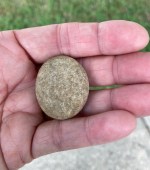 from a collection of Helmut’s, at each to mark remembrance and gratitude. On Tuesday Bonnie and I enjoyed brunch at Pine Ridge Hollow and for supper I joined my niece Daniela and her family in Steinbach. I spent two nights and the day between with my cousin Barb, also in Steinbach. Robins entertained us as we ate on her patio, but mostly we sat in her sun room and read from the diaries of our late Aunt Margaret Harder. She was a teacher, also very involved in Elmwood MB Church (the first woman to preach there, etc.), and left about 20 notebooks from some 20 years, basically a page per day. She was a wonderful aunt to her nieces and nephews, and Barb and I were both inspired by entering her past world in this way and noting her ongoing and intentional expressions of thanks. That evening two other cousins and their daughters joined us for rhubarb dessert and catching up all round.
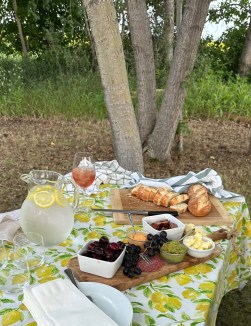
photo by Rena Rauch
When I left Steinbach on Thursday I felt so “full” — in a good way — of my history and heritage that I wondered how to shift from that into the work of fiction this week. It occurred to me that my friend Rena in Dauphin would be a gift for exactly that, for she is part neither of my family nor the Russlaender story, but someone I met through a writing event in Winnipeg some years ago. She had refreshments waiting on a table under the trees, and it was a perfect transition as we conversed about our projects.
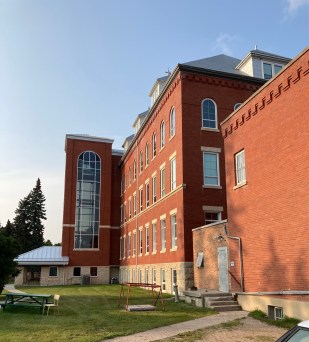 And now I’m here, in this quiet red brick and pine-treed place, and I’m really really really looking forward to the next seven days! I’ll check in again at the end of it.


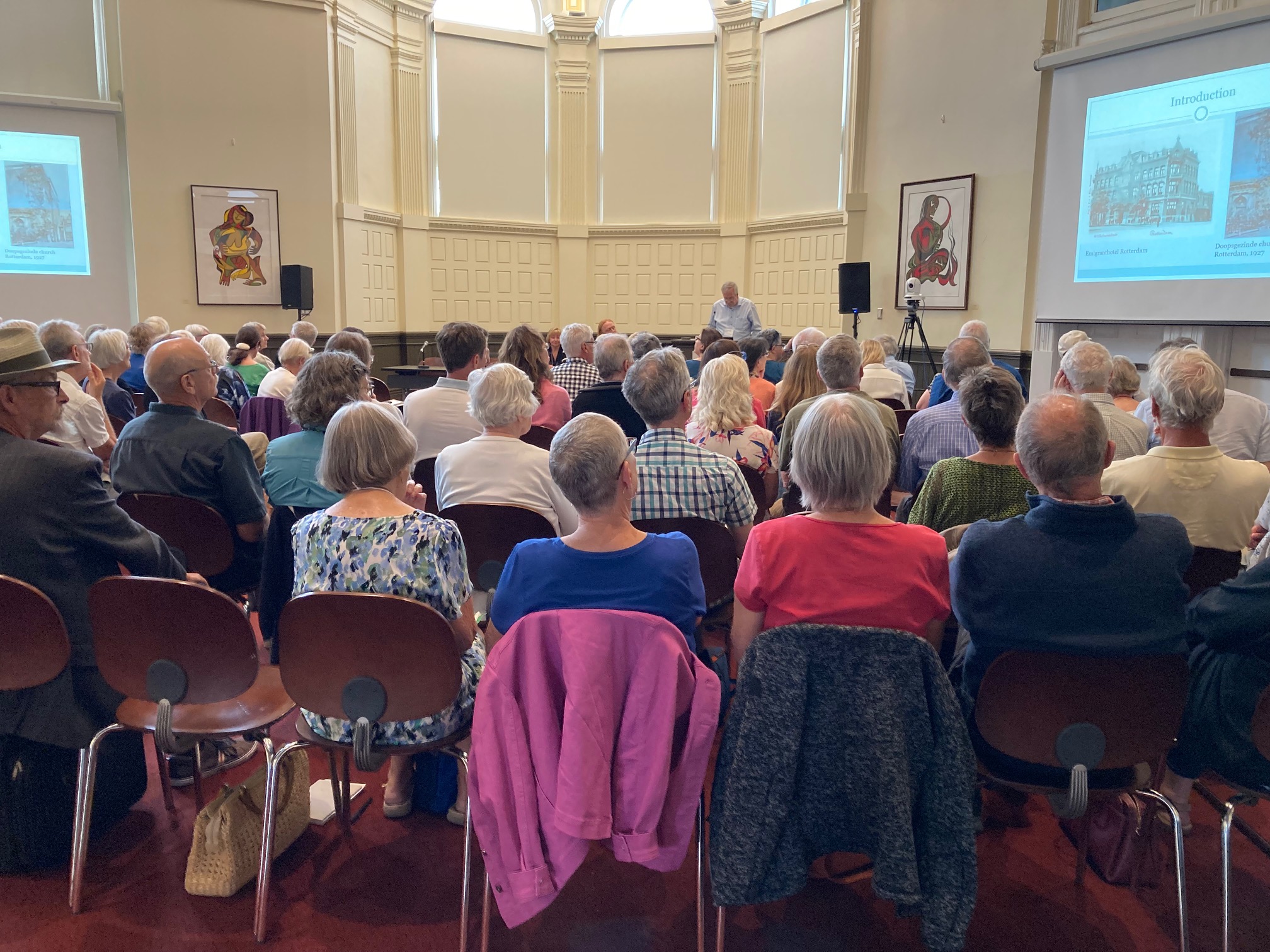 with two writers of literary books about the Russian Mennonite experience that bookended the day: Sarah Klassen with her recent The Russian Daughter and Sandra Birdsell with The Russlaender. I think it brilliant to feature literature together with history. (David Bergen will be up tomorrow with his new book set in that experience.)

 Borrowing Bones