Sien van Hulst (internet image)
Mennonite Heritage Tour: encounters with women, Part 3 (of 8). Introduction, Part 2.
Sien van Hulst (1868-1930) was a single woman, daughter of a prosperous Mennonite family in Harlingen, NL, who made a positive difference in the maternal death rates of her time.
We hear about Sien from Jan Meester. Jan is a Harlingen Mennonite who brims with knowledge and enthusiasm. He takes us on a brisk walking tour of relevant sites in his town. (The day before, he showed us the Pingjum Mennonite Church, where Menno Simons lived and worked, as well as the local, formerly Catholic church where Simons learned as a priest.)

The "hidden" Mennonite church of Pingjum, NL.
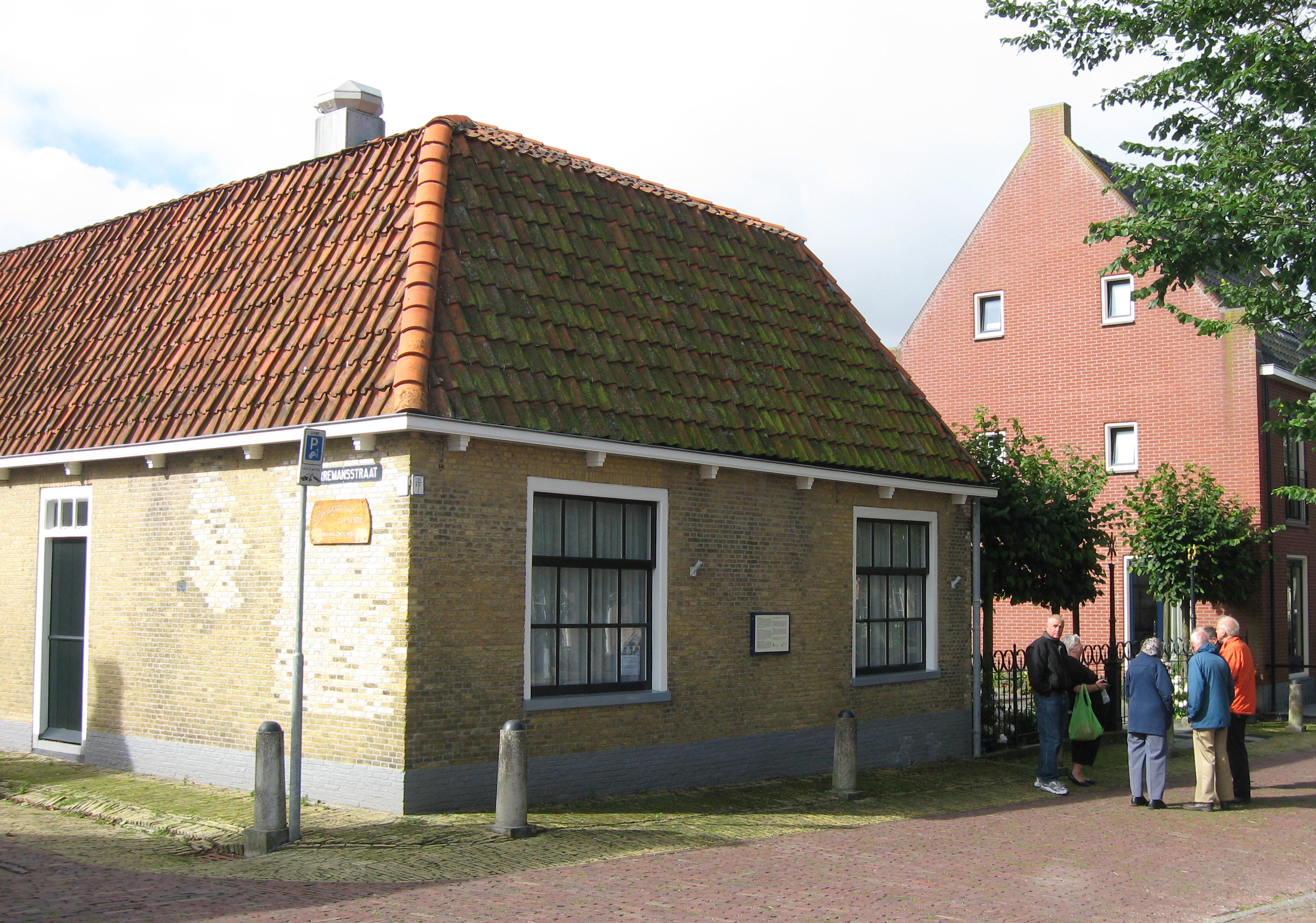
There are two strands of Dutch Mennonite (Doopsgezinde) history that keep bumping against each other for me during these days. One is the great persecution the Anabaptists experienced. We’re reminded of the outcome of that, as many fled to other parts of Europe (such as Poland/Prussia, which we will visit the following week); the Witmarsum church, in fact, currently has an exhibition on the Mennonite diaspora. We notice the secrecy it necessitated. Meeting places (called vermaning or Admonitions) often resemble houses or were hidden in other ways to escape detection.
The other strand is how those who remained in Holland eventually became accepted, respectable, and many of them wealthy and influential. Crossing the Afsluitdijk that connects north Holland and Friesland, for example, we see a statue of Cornelis Lely, engineer and designer of the plans for the Zuiderzee works. A Mennonite. There were the Honigs and the Breets. And the Harlingen van Hulsts and their daughter Sien.

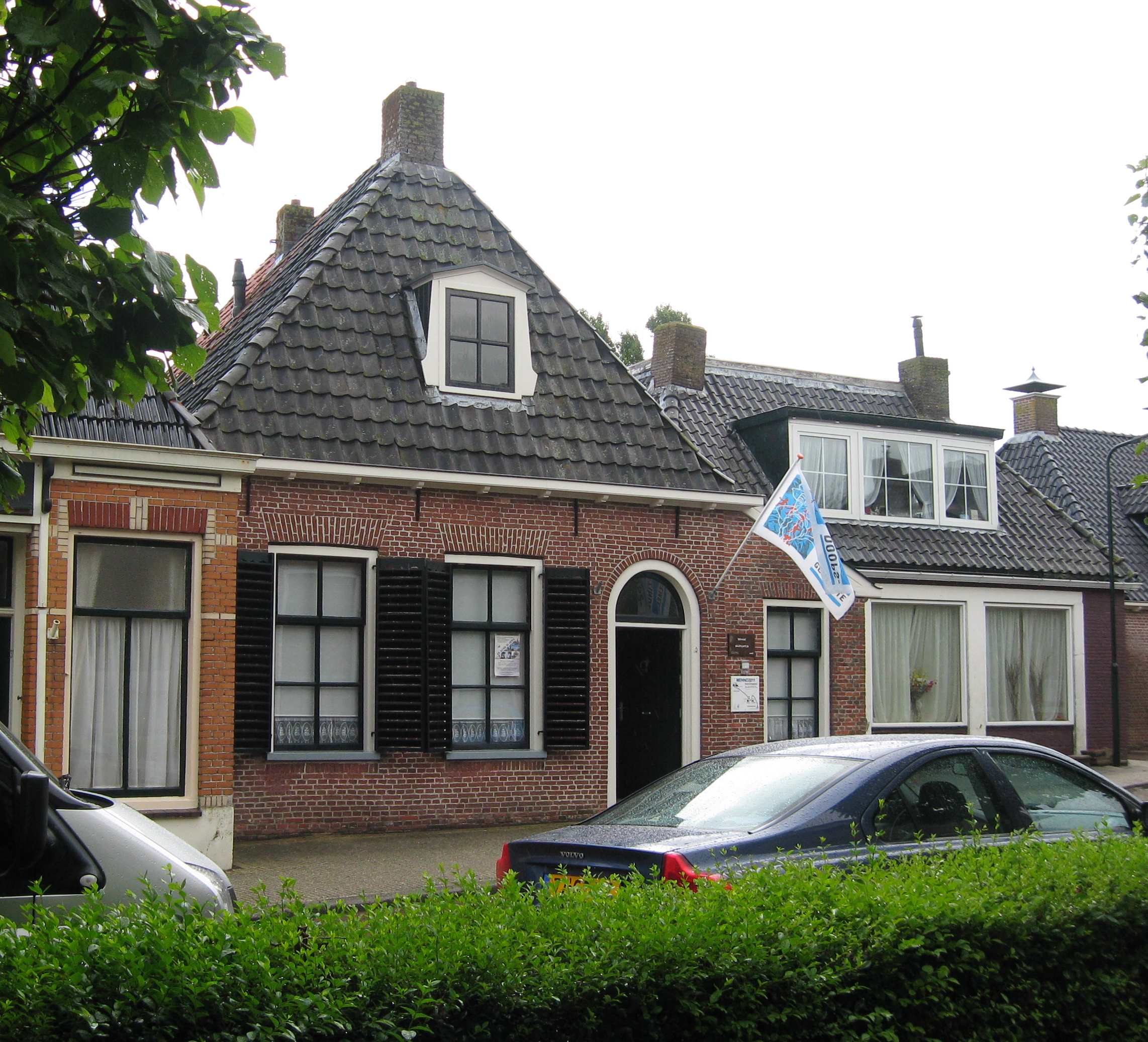
The Harlingen Mennonite Church
Back home, I google Sien van Hulst to learn more about her. Most of it’s in Dutch, but the translations tell me she was a “contrary woman” with “a great sense of social justice.” Another sentence speaks of her “eccentric personality.” Maybe so, but she was a pioneer. A change agent. She founded a Society for District Nursing and Health Care in 1896, expanded the work of Green Cross across her region when it was founded in 1902, gave courses in maternal care and hygiene, paid attention to the importance of breastfeeding, and trained midwives and home nurses. She became a threat to the medical establishment of the time with her ideas, but perhaps it was her “eccentricity” that kept her going in her radical commitment to the poor. I want to think that it was also something in her Mennonite origins and beliefs.

Statue of Cornelis Lely, poised against the sea that his "works" hold back.
(P.S. This post is especially for my engineer son and doula/maternal-care expert daughter-in-law!)