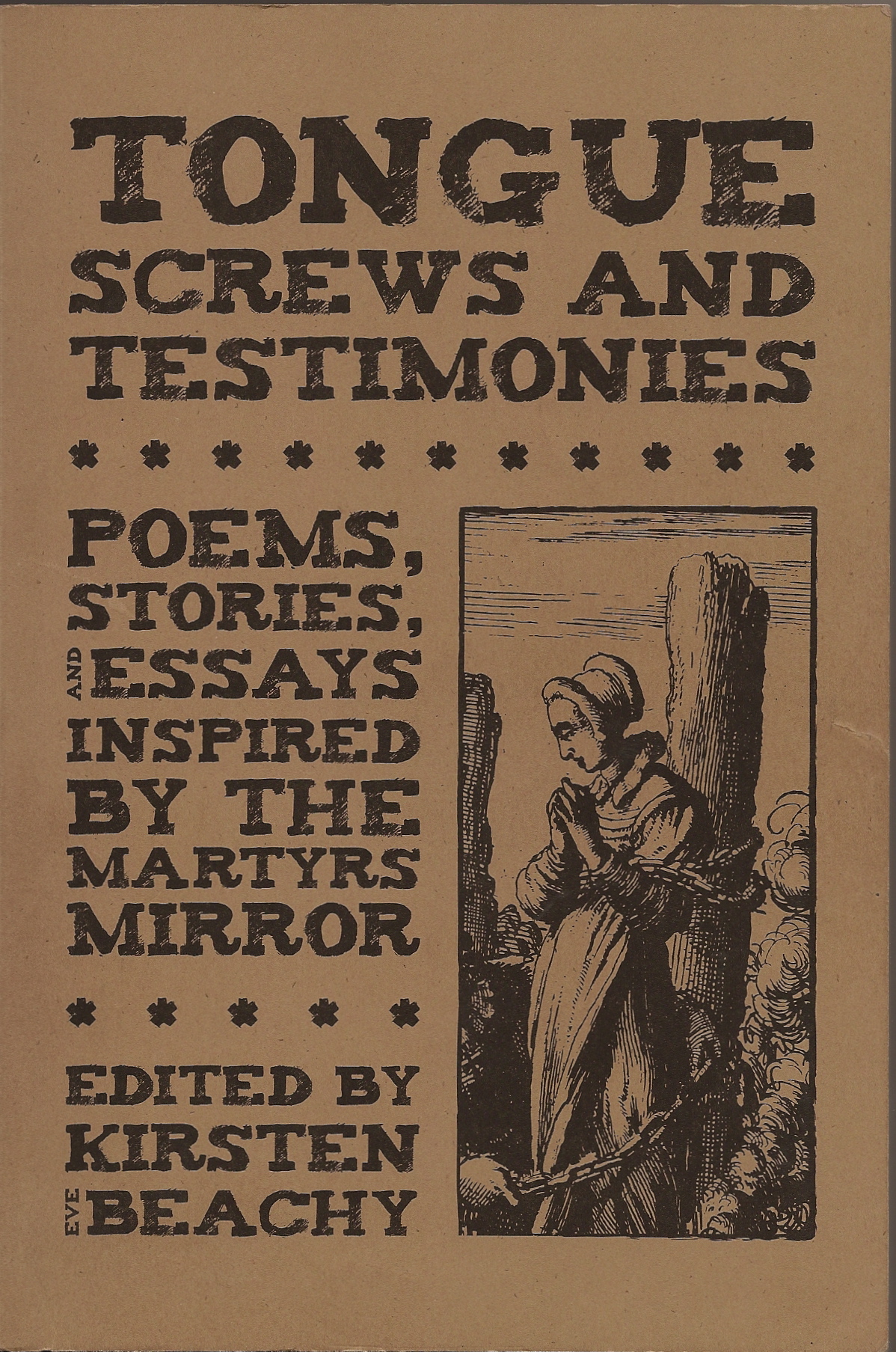
Among the books I’ve read the past month are two novels with rather similar names, The Archivist by Martha Cooley (Little, Brown & Co., 1998) and The Archivist’s Story (The Dial Press, 2007). Cooley weaves T.S Eliot, his correspondent Emily Hale, and the Holocaust into the story of an archivist and his wife. Holland’s book is set in Lubyanka prison in Moscow in 1939 and imagines an archivist there saving one of the last and unpublished stories of Isaac Babel.
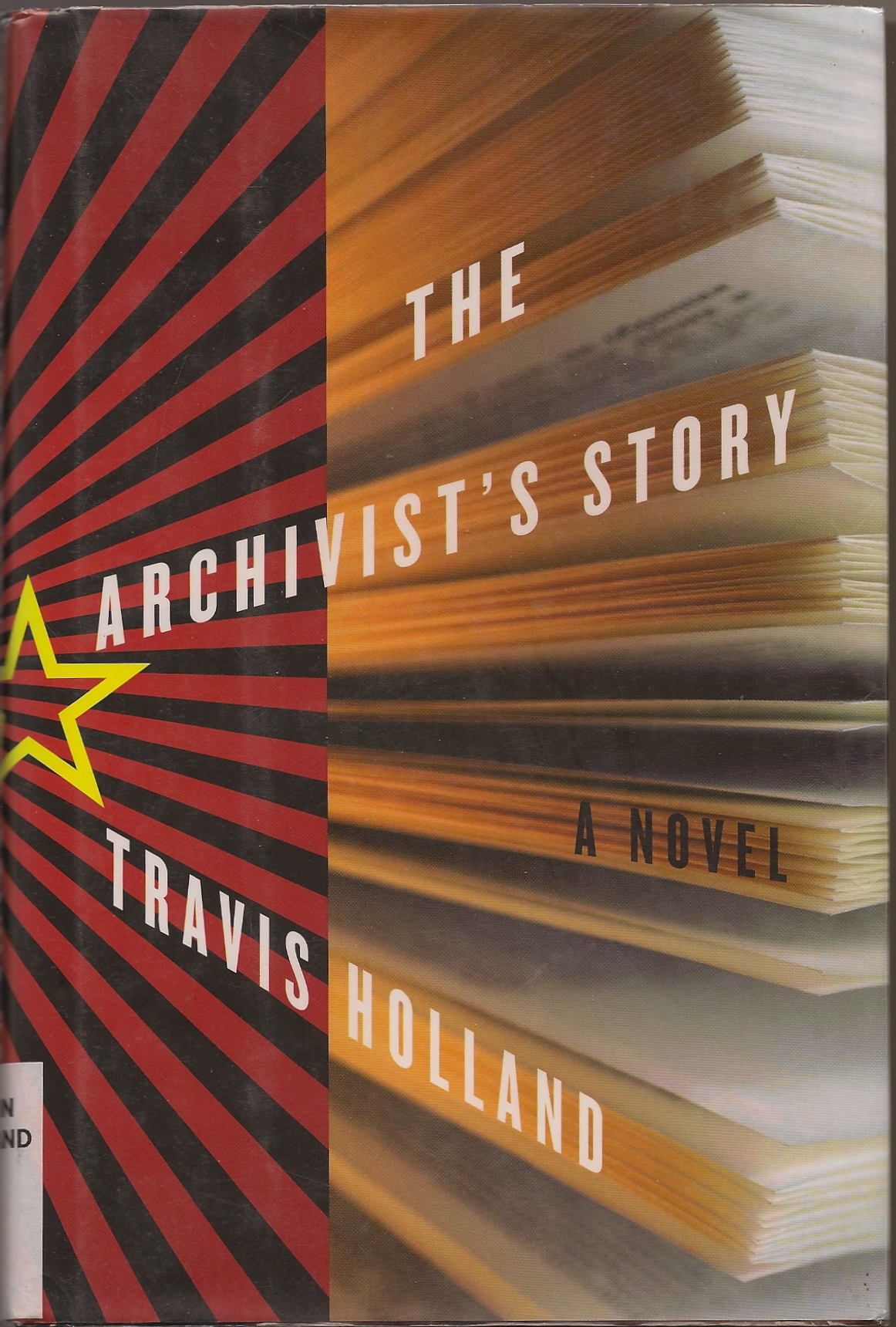 Both books are beautifully written and compelling. Both address, in different ways, the power of memory and the importance of stories. Of the two, my favourite was Holland’s. It unwinds at almost perfect pitch, and when I was finished, I missed not being able to go back to it. I enjoy many books, but that sense of loss doesn’t happen often. Of course, I was probably picking up the tenor of that period in the Soviet Union as well, with its almost unbearable losses, betrayals, and fear (as so well documented in Orlando Figes’ The Whisperers: Private Life in Stalin’s Russia.)
I’ve also been reading some non-fiction. In Out of Grief, Singing: A Memoir of Motherhood and Loss (Signature Editions, 2010), Winnipeg writer Charlene Diehl describes the experience of losing her firstborn child, Chloe. Accounts of such sorrows are not unique, but Diehl brings a poetic sensibility to her work that not only describes what she felt but somehow deeply reveals it. These lines, for example, of the aftermath of everything that happened in the hospital: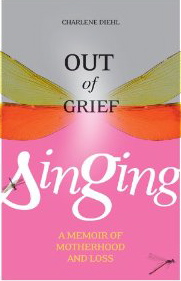
Hours move past, but moments hang, swollen drops at the kitchen tap…. The light leaves one room and wanders into the next, the grieving mother migrates with it. Time is vertical: there is no story here, no narrative to press a body from one moment into the next.
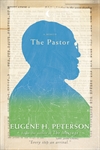 Another memoir was Eugene Peterson’s The Pastor (HarperOne, 2011). I wasn’t looking for direction on being a pastor, but I do enjoy autobiography or memoir of many kinds and the excerpts I read in The Christian Century promised a fine and reflective evocation of atmosphere and influence. The book is good, but in terms of the memoir genre, I think the magazine may have excerpted the most fully realized parts. Peterson may have been a pastor, but he is also preacher and teacher, and it seemed to me he kept breaking out into sermons, into lessons! But I’ll quit my comments while I’m ahead; I know how many fans he has!
 Not because I wanted to, but because I had signed up for it… Just War as Christian Discipleship (Brazos, 2009)by Daniel M. Bell was the last book in the “Take and Read” series I was part of again this year. I confess that the topic isn’t that high on my list of interests, but just to prove that challenges straighten the spine and that I’m still more conscientious than I probably need to be, I did read it, all the way through, and — of course — I learned a lot about the just war tradition. The book is fairly accessible, and Bell draws a persuasive, even appealing, picture, within the tradition’s own terms, of how just war might be lived out as Christian faithfulness. I’m not saying I was persuaded, though, and perhaps few of us in the discussion group were.
 I’ve found myself more at home with Create Space for Peace (TriMark Press, 2010), a book that commemorates the life and work of Gene Stoltzfus, founder of Christian Peacemaker Teams. It’s a very different book than Bell’s — and thus an interesting juxtaposition to it — for it’s not a position argued from beginning to end but rather a collection of reflections, encouragements, and ideas from 40 years of peacemaking. There’s no by-passing the difficulties of contemporary peacemaking, especially with robotic warfare and other military “advances”:
At one time it may have been possible to be a wedge into the organized violent suppression of violence by simply refusing military service. For most of us that expression of pacifism, refusal to join the military, is no longer the only critical boundary for a life of peacemaking.
But Create Space for Peace doesn’t feel gloomy. It breathes with creativity, hope, and life. It feels like discipleship.