
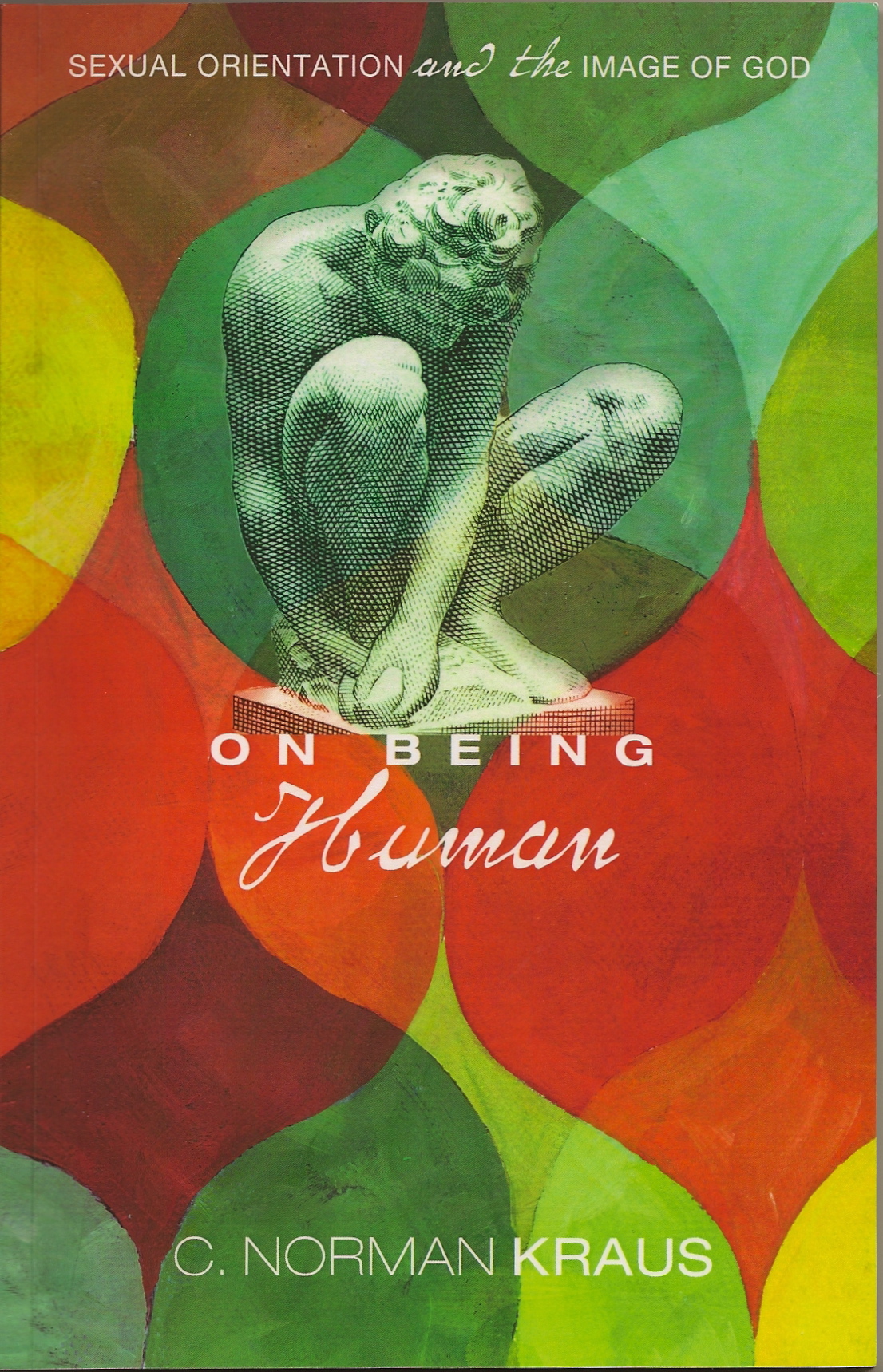
Inclusion as shalom: a review of C. Norman Kraus’ “On Being Human”

The church’s very authenticity as the body of Christ is at stake in its response to its LGBT members, writes C. Norman Kraus in On Being Human: Sexual Orientation and the Image of God (Cascade Books, 2011).

In this attractive addition to a growing library of discussion about homosexuality underway within some branches of the Mennonites church, Kraus, who is professor emeritus of Goshen College, argues for inclusion in the church for those of all sexual orientations, with the same moral guidelines (mutual affirmation, respect, and affection) for the sexual fulfillment of all. He considers the matter through the lens of the “image of God,” as seen in the Creation accounts and throughout Scripture. Continue reading
Reacting to the bomb to come

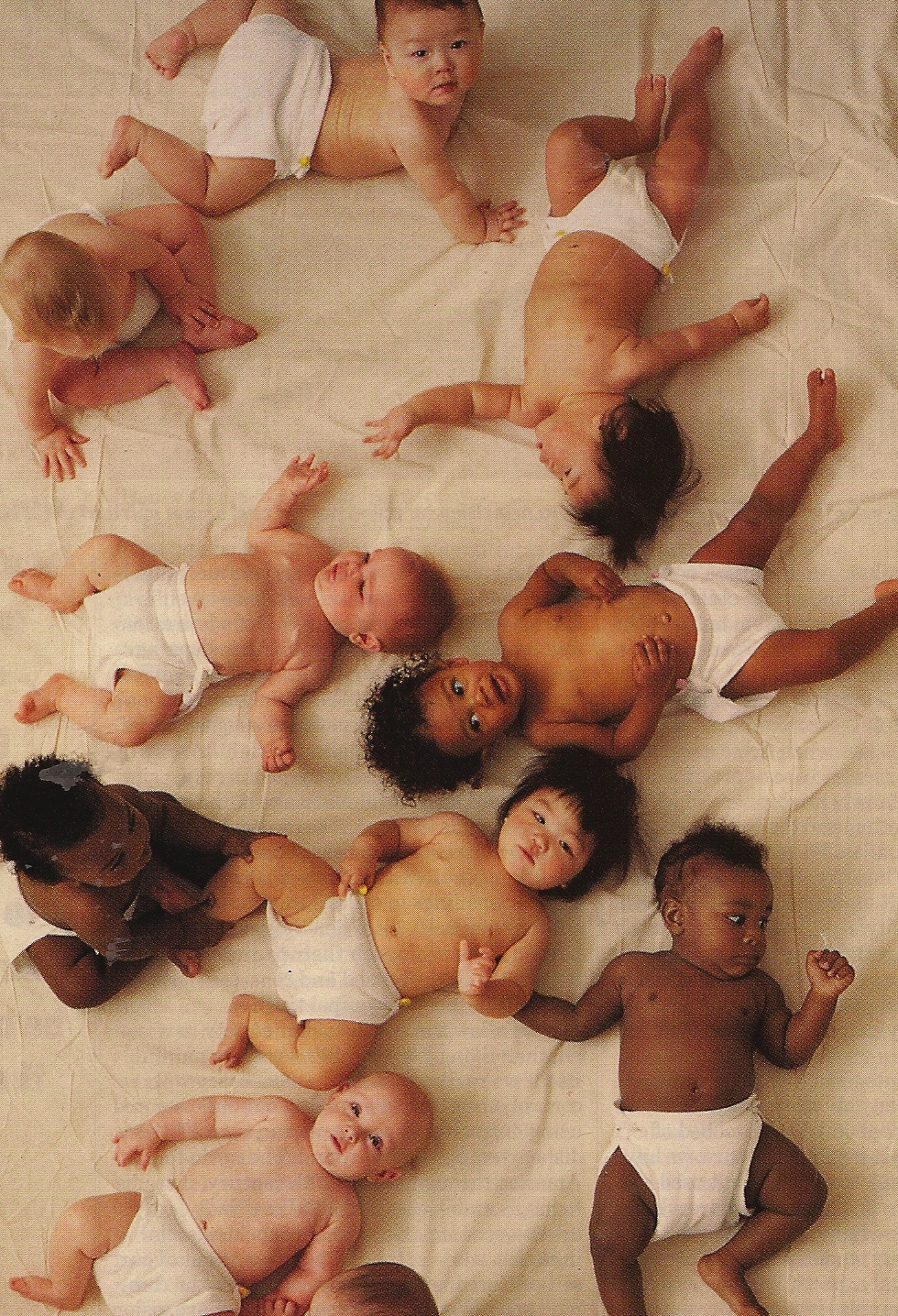
Image from 1990 Newsweek issue on the family

I was doing some research at the public library the other day, paging through LIFE magazines from 1970. Ecology — as in acid rain, etc. — was an issue of great public concern at the time, with predictions that within a decade people would be wearing gas masks to survive pollution. Even more urgent, though, was “population pollution.”

I remember this, of course, and know that my generation was profoundly shaped by it. But I had forgotten the details, and now I saw them again. A biologist saying, for example, “Each American baby represents 50 times as great a threat to the planet as each Indian baby.” Continue reading

In honor of Eric Wingender

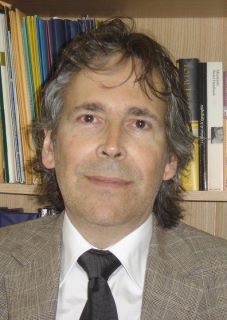
The world mourns the untimely death of Apple genius and former CEO Steve Jobs, as it should, but I’m grieving the untimely death of Eric Wingender, professor (and former president) at Ecole de Theologie Evangelique de Montreal (ETEM), who died yesterday of a massive heart attack.

I first got to know Eric when I sat in on a workshop he gave, in which he reflected on his experience of Christian conversion and becoming part of the Mennonite Brethren in Quebec. He spoke respectfully and gratefully of those missionaries who had brought him and many other young Quebecers to faith in the 70s and 80s. But he also felt  something spiritually significant had been lost in Quebec’s Quiet Revolution that was not adequately replaced by the somewhat simplistic and pietistic gospel to which he was introduced. The churches that emerged from the evangelical “boom” of that era struggled a great deal and the movement plateaued. (He explained some of this in a 1994 article in Direction.) Eric was one of those who persisted and became leaders, seeking to help the Quebec church find better ground. Continue reading