Sunday, Sept. 29. Merritt, B.C.
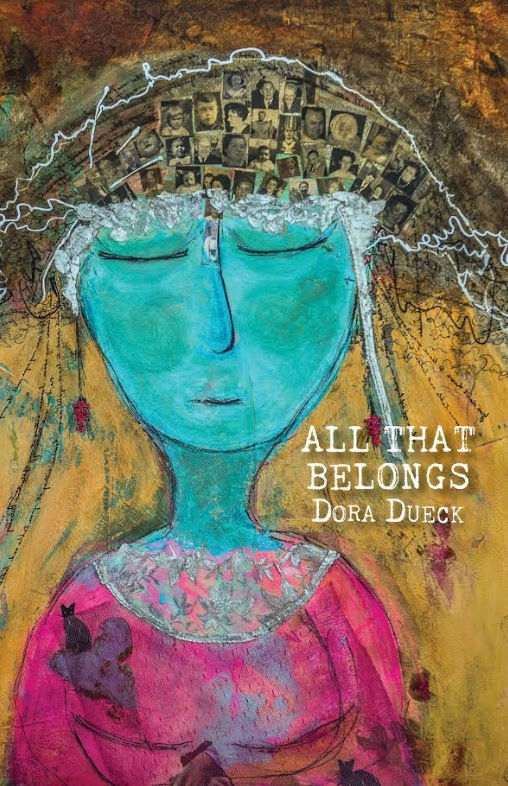
I want to keep a bit of a diary of the road trip, destination Winnipeg, for the launch of All That Belongs, and after that, on the homeward journey, me and the book at several stops. My blog readers, if interested, are welcome to follow, but if not — no problem either, for I’ll never know!
My copies of the book arrived Friday. Strange, it was, holding the novel as object. I was surprised by its plumpness; in my mind, the story is a relatively slender thing. Today it got its public initiation, at the fiction stage of the Word Vancouver Festival, where I read in a slot called “Complexities and Complications,” together with screenwriter Ken Hegan, currently the Vancouver library writer-in-residence, and Alex Leslie, author of We All Need to Eat, a poetic collection of linked stories. Our moderator was the vivacious writer Maureen Medved.
The reading went well, I think, the audience small but fine. Our discussion after we each presented concerned the complexities of the writing endeavour. Asked for advice for writers, Ken spoke of persistence and Alex spoke of focusing on one’s own necessary work, not drawn off by what others are doing. Since we’d run out of time, I agreed with both!
That done, satisfied with the event, and grateful, I took the sky train and bus back to Tsawwassen, By 5 p.m. H. and I were on the road, rounding Vancouver to the # 1 and on through the Fraser Valley with its rich banquet-table spread of farms, looking prosperous under clear skies. Passing Chilliwack, I thought, as I always do when I pass Chilliwack, that I might have grown up there, for Dad’s family moved there after he’d gone off to college, and when he married, he and Mom lived there a while too, until he was asked to return to Gem, Alberta, where he’d grown up, to teach in a winter Bible school. Next came the invitation to pastor a church in Linden, another small Alberta community. So we never got back to Chilliwack. But one or two twists otherwise, and I could have grown up there instead of where I did. If so, would I be a different person than I am now? (One can play this game endlessly with history, personal or otherwise, of course.)
Through Hope, the mountains looming too near for my taste. Casting us in shadow. Residents may find them a comfort and shelter, I suppose, but prairie born and raised, they seem vaguely oppressive to me. But then we rounded a curve and the view opened to a panorama of peaks on which the setting sun was glowing pink, the most glorious sight of the day. A gift.
An hour on the Coquihalla, up to Merritt, in the dark by now but the road clear, and here we are, tired and ready for bed in a room at the Ramada. We tuned into the weather channel and it looks like we’ll be driving into lots of snow. But we’ve made a small dent in the journey and tomorrow will be its own day, no point worrying about conditions now.